Introduction to Blood Moons
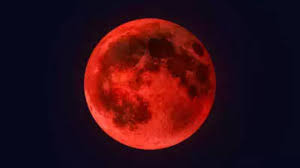
The term ‘blood moon’ has become increasingly popular in recent years, particularly among astronomy enthusiasts and the general public alike. This captivating astronomical phenomenon occurs during a total lunar eclipse when the Earth aligns perfectly between the sun and the moon. As a result, the Earth’s shadow completely covers the moon, giving it a reddish hue, which is where the term ‘blood moon’ originates. Understanding this phenomenon not only enhances our appreciation for celestial events but also offers insight into the science of our solar system.
The Science Behind the Blood Moon
During a total lunar eclipse, sunlight scatters through the Earth’s atmosphere, similar to the way sunlight filters through the atmosphere at sunrise or sunset. This scattering effects give the moon its signature red tint, which can vary in intensity from deep crimson to a lighter shade. The entire process can last several hours, with the actual totality phase—when the moon is completely shadowed—lasting from a few minutes up to over an hour. According to NASA, the next total lunar eclipse and blood moon will occur on November 8, 2022, with peak visibility across North America.
Recent Blood Moon Events
The last blood moon event took place on May 15-16, 2022, drawing attention from sky watchers across the globe. Many individuals took to social media to share their experiences and photographs of the striking spectacle, showcasing the vibrant red moon against starry night skies. Additionally, the occurrence generated discussions regarding its cultural and historical significance, as various ancient civilizations tracked lunar cycles and associated them with agricultural and religious practices.
The Cultural Significance of Blood Moons
Throughout history, blood moons have held varying symbolic meanings across different cultures. In certain traditions, a blood moon was seen as an omen or a signal of coming events, while others viewed it as a time for reflection and spiritual renewal. Notably, in contemporary times, some groups have linked blood moons to predictions and prophecy, further spurring interest in these phenomena. While scientifically, blood moons are far from omens, they continue to inspire wonder and fascination about the universe.
Conclusion: The Ongoing Allure of the Blood Moon
As we move forward into the future, blood moons will continue to play an important role in our understanding of astronomy and our cultural narratives. These celestial events serve as a reminder of our connection to the cosmos and the timeless cycles of nature. As more people gear up for the next opportunity to witness this awe-inspiring spectacle, it is clear that the blood moon will remain a topic of interest and curiosity for generations to come. Whether viewed through a telescope or simply enjoyed from one’s backyard, the blood moon is not just a remarkable occurrence, but a celebration of the grandeur of our universe.