Introduction
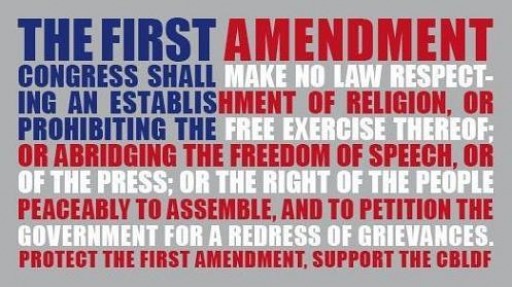
The First Amendment of the United States Constitution is a cornerstone of American democracy, guaranteeing vital freedoms such as speech, religion, press, assembly, and petition. Enacted in 1791 as part of the Bill of Rights, it is crucial for maintaining a society where diverse voices can participate in public discourse. As current events continue to shape the landscape of free expression, understanding the importance of the First Amendment remains more relevant than ever.
Key Freedoms Enshrined
The First Amendment comprises five fundamental freedoms that constitute the foundation of democratic rights in the United States:
- Freedom of Speech: Citizens are entitled to express their opinions without government censorship, whether through protest, social media, or other platforms.
- Freedom of the Press: A free press acts as a watchdog of the government, allowing journalists to report on issues that affect the public without fear of reprisal.
- Freedom of Religion: This provision prohibits the government from endorsing one religion over another and allows individuals to practice their beliefs openly.
- Right to Assemble: Citizens can gather peacefully for protests, gatherings, or meetings to advocate for causes and express collective ideas.
- Right to Petition: Individuals have the right to make complaints to or seek assistance from their government without fear of punishment.
These freedoms ensure a vibrant civil society where citizens can engage, dissent, and work towards positive change.
Current Issues Surrounding the First Amendment
Recent events, such as protests against systemic racism and debates surrounding social media regulation, have thrust the First Amendment into the national spotlight. High-profile court cases, such as Matal v. Tam (2017) and Brandenburg v. Ohio (1969), have reinforced and clarified the boundaries of free speech, particularly regarding offensive or inciting language. Meanwhile, ongoing discussions about misinformation online challenge the limits of the First Amendment, raising questions about responsible speech in the digital age.
Conclusion
The First Amendment’s protections are essential for fostering democratic values and principles in contemporary America. As society faces evolving challenges related to free expression, it is vital for citizens to remain informed about their rights and the implications of legal interpretations impacting these freedoms. With the ongoing relevance of the First Amendment in today’s discussions about censorship, public protests, and media integrity, understanding its significance will empower individuals to advocate for their rights and engage in meaningful dialogue within the society.