Introduction to Puerto Rican Food
Puerto Rican food is a vibrant reflection of the island’s rich cultural heritage, combining Taíno, Spanish, and African influences. As a key part of the Caribbean culinary landscape, Puerto Rican cuisine showcases a variety of ingredients, flavors, and cooking techniques unique to the region. In recent years, there has been a renewed interest in Puerto Rican food, driven partly by the diaspora’s efforts to preserve and promote traditional recipes and new interpretations of classic dishes.
Key Ingredients and Dishes
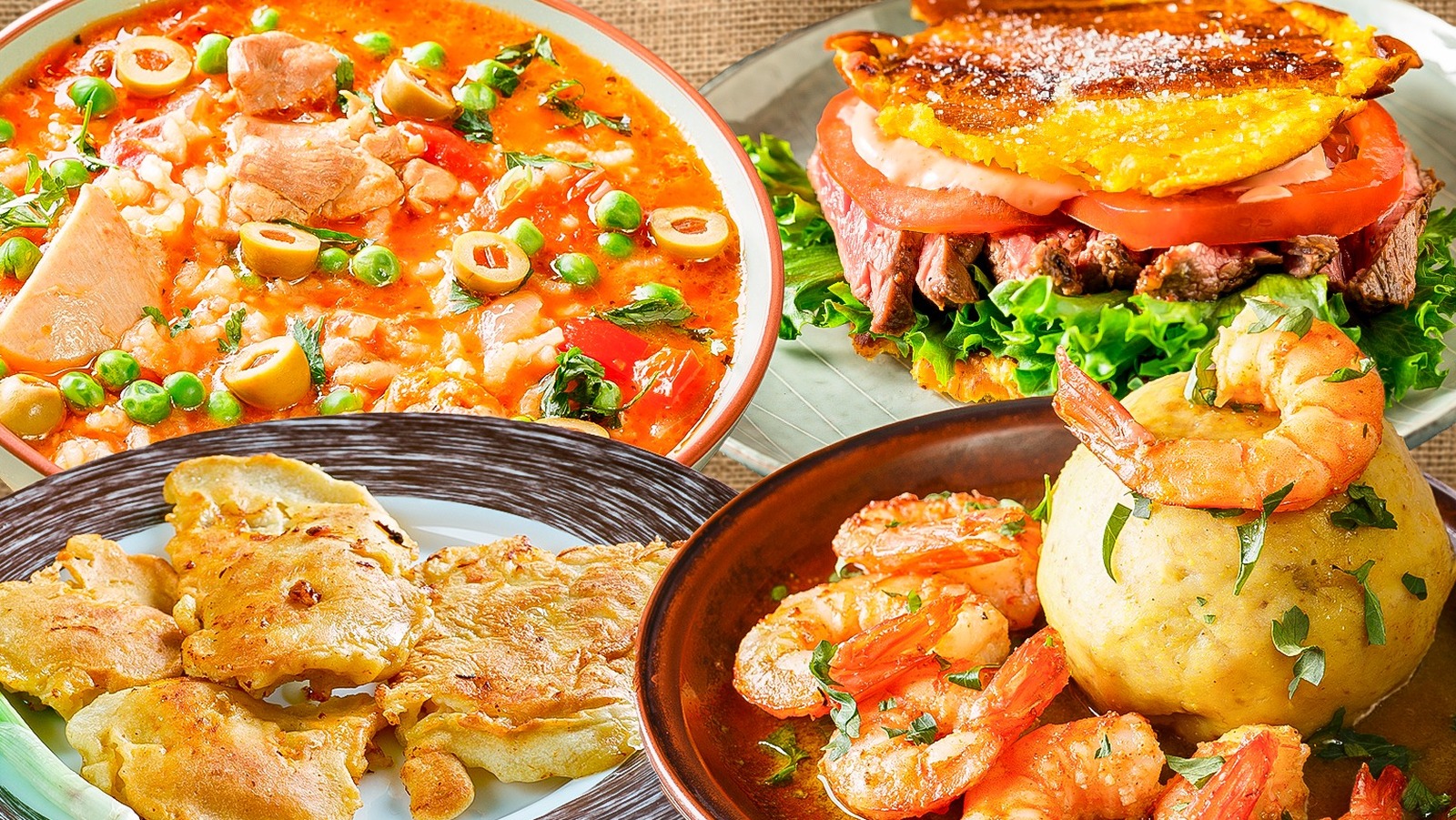
At the heart of Puerto Rican cuisine lies a variety of staple ingredients. Rice, beans, plantains, and pork are particularly significant. Arroz con gandules (rice with pigeon peas) is a beloved national dish often served during family gatherings and festive occasions. Mofongo, a savory dish made from fried green plantains, garlic, and chicharrón (crispy pork skin), has become a favorite both locally and among the Puerto Rican communities abroad.
Another classic dish, lechón asado, or roast pig, is a delicious staple often associated with celebrations. The pig is marinated with a mixture of spices called adobo, thus infusing the meat with incredible flavor during the slow-roasting process.
Recent Trends in Puerto Rican Cuisine
As Puerto Rican communities expand beyond the island, the cuisine has found new life in places like New York, Chicago, and Florida. Restaurants are integrating traditional flavors with modern cooking techniques. Chefs are exploring plant-based versions of classic dishes, making Puerto Rican food more accessible to vegetarians and vegans.
Moreover, the impact of social media is significant, allowing food bloggers and influencers to share their culinary experiences and recipes, attracting a younger audience eager to explore their heritage through food. Events like food festivals and pop-up restaurants also spotlight Puerto Rican chefs and their takes on traditional cooking, helping to educate wider audiences about these rich flavors.
Conclusion: The Significance of Puerto Rican Food
Puerto Rican food is more than just a culinary experience; it is a means of cultural expression and identity for many. The blending of indigenous, African, and Spanish flavors provides a taste of the island’s history and resilience. As interest in Puerto Rican cuisine continues to grow, it fosters a deeper appreciation for the culture and community that it represents. For food lovers and cultural enthusiasts alike, understanding and enjoying Puerto Rican food allows a delicious connection to an island full of life and history.