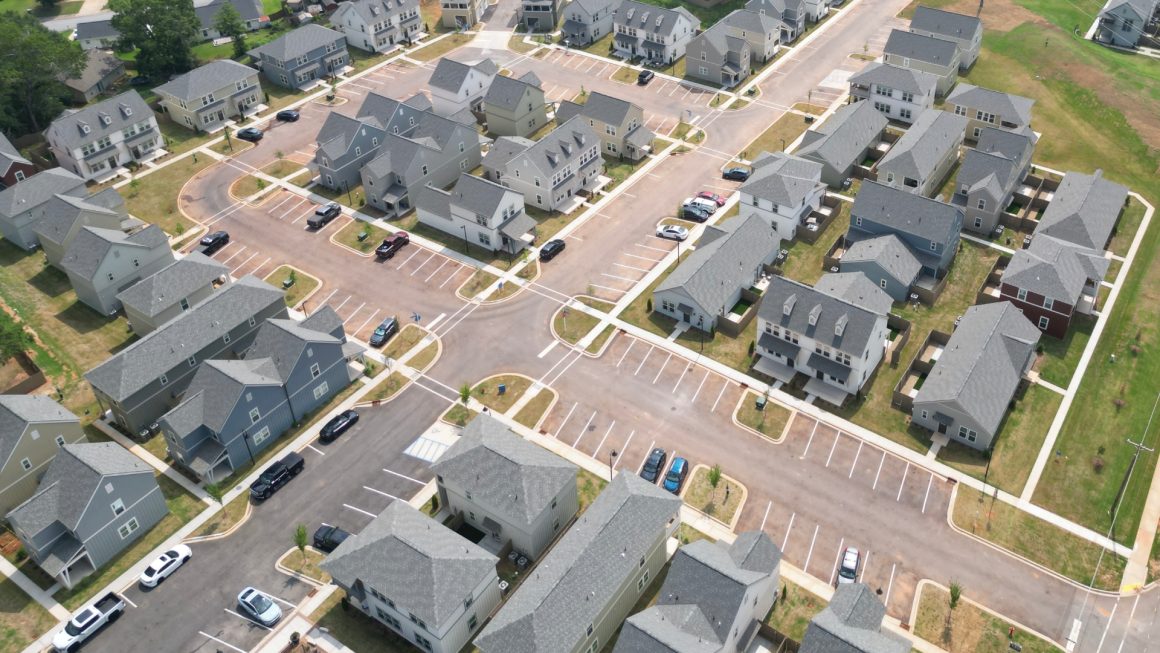
Introduction
As we approach the midpoint of the decade, the state of housing in 2025 is shaping up to be a crucial area of interest. With rising costs, evolving technologies, and changing societal norms, understanding the future of housing is vital for homeowners, policymakers, and real estate professionals alike. The impact of these variables on the housing market could redefine how we think about homeownership and urban development.
Current Trends Influencing Housing
Several key trends are expected to shape the housing landscape in 2025. One of the most significant is the integration of technology in residential spaces. Smart homes, equipped with automated systems for lighting, heating, and security, are becoming increasingly popular among homebuyers. According to a report by the National Association of Realtors, over 80% of buyers now prioritize smart home features.
Additionally, the increase in remote working has led to a surge in demand for larger homes that accommodate office spaces. Prospective homeowners are seeking properties that provide more than just living space; they want functionality that aligns with a new work-life balance.
Challenges Ahead
Despite the innovations, the housing market faces significant challenges as we approach 2025. Affordability remains a pressing issue, with median home prices continuing to rise. The National Association of Home Builders reports that, in many regions, homeownership is becoming increasingly unattainable for younger generations. The lack of affordable housing options may lead to increased demand for rental properties and alternative housing solutions like tiny homes.
Moreover, supply chain disruptions, exacerbated by global events and the recent pandemic, have made it more challenging to construct new homes. Materials like lumber and steel have seen fluctuating prices, which complicates the economic feasibility of new developments.
Government and Policy Responses
In response to these trends, various government initiatives are being proposed to address housing shortages and affordability. Programs aimed at increasing the availability of affordable housing and promoting sustainable building practices are gaining traction. For instance, the Biden administration has emphasized investing in infrastructure that supports housing development, especially in underserved areas.
Conclusion
Looking ahead to 2025, the housing market will inevitably undergo substantial changes influenced by technology, economic factors, and demographic shifts. Homebuyers and investors must remain informed and adaptable to navigate this evolving landscape. With the right policies in place, there is potential for innovation in housing solutions that can meet the needs of future generations. Keeping a close watch on these developments will be essential for anyone involved in real estate, whether as a homeowner, investor, or developer.