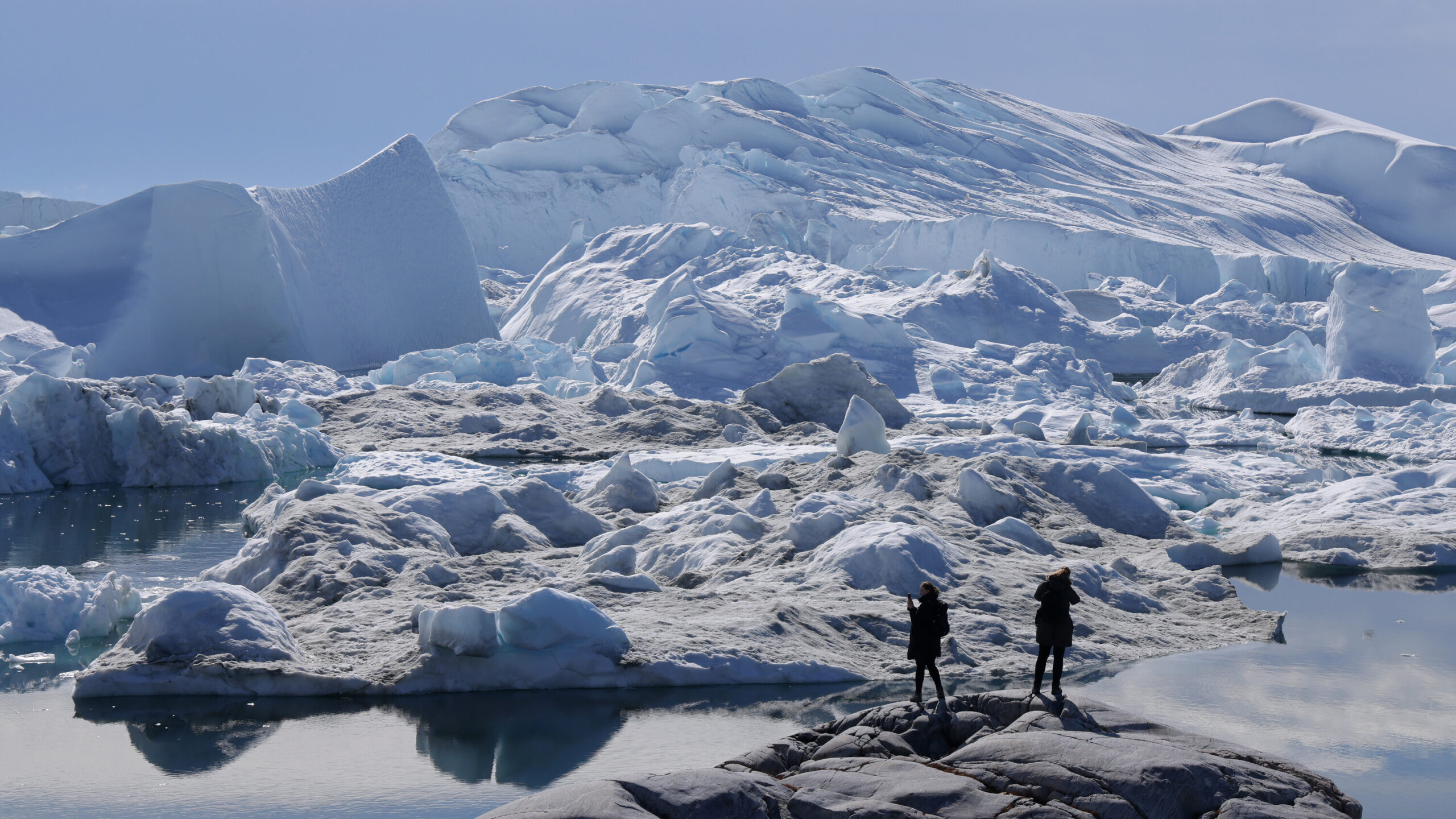
Introduction: The Significance of Greenland
The topic of Greenland has garnered renewed attention, particularly in light of previous U.S. interest in purchasing the vast Arctic territory. The potential acquisition of Greenland by former President Donald Trump in 2019 sparked a political firestorm and raised questions regarding the strategic relevance of the largest island in the world. With its abundant natural resources and strategic military positioning, Greenland exemplifies the intersection of environmental, economic, and geopolitical interests.
The Trump Proposal and Its Repercussions
In August 2019, President Trump sparked controversy, initially expressing interest in buying Greenland from Denmark, a proposal met with quick dismissal from Danish officials. Trump’s suggestion highlighted his administration’s broader vision of expanding U.S. territory for economic and military purposes. Greenland is rich in minerals, including rare earth elements, and its melting ice caps are opening new shipping routes, making the island increasingly attractive for both geopolitical and economic reasons.
Following the backlash, including remarks that many found offensive and insensitive, Trump ultimately canceled a planned state visit to Denmark. However, discussions about Greenland’s strategic advantages continue, reflecting an ongoing interest from various U.S. administrations in the Arctic region, particularly as climate change opens up new opportunities for exploration and trade.
Current Developments and Future Implications
As of 2023, interest in the Arctic has intensified, with nations like China and Russia expanding their influence. The U.S. has begun to emphasize its presence in the region, which includes reinforcing ties with Greenland, evidenced by recent U.S.-Greenland partnerships aimed at climate research and economic development. In September 2022, the U.S. government proposed a $12 billion investment in Greenland, aimed at supporting sustainable development and research initiatives.
Conclusion: Significance for the Future
The issue concerning Greenland remains significant in contemporary geopolitics. As nations vie for influence in the Arctic and focus on sustainable resource management, understanding the implications of U.S. involvement in Greenland becomes critical. The previous controversy surrounding Trump’s proposal illustrated a shifting perception of territorial expansion, revealing a deeper narrative about global power dynamics, climate change, and resource competition. As 2024 approaches, it will be interesting to see whether this subject resurfaces in political discourse, particularly as the geopolitical landscape continues to evolve.