Introduction
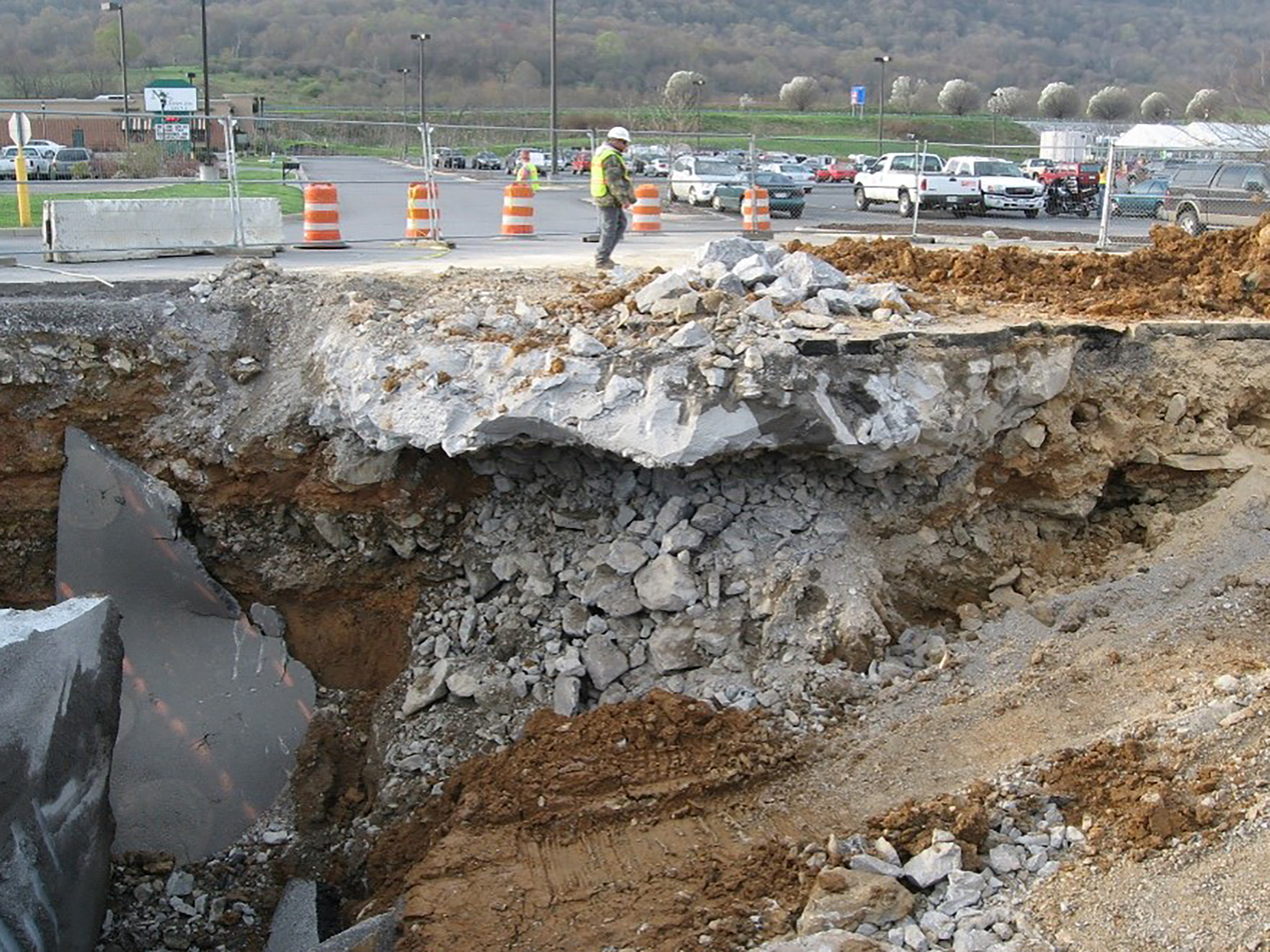
Sinkholes have become a significant geological concern, affecting communities around the world and raising awareness about underground instability. A sinkhole occurs when the ground collapses suddenly, creating a hole that can vary in size, depth, and impact. Understanding the causes and effects of sinkholes is crucial for residents living in areas susceptible to this phenomenon, as it poses serious risks to property and human safety.
Recent Events and Data
In the recent months leading up to October 2023, several notable sinkholes have developed across the United States. For instance, a large sinkhole swallowed part of a roadway in Florida in September, forcing the closure of the road and highlighting the dangers presented by these natural events. According to the U.S. Geological Survey, sinkholes are primarily caused by the dissolution of limestone or other soluble rocks, a process that occurs over years and can be exacerbated by heavy rainfall or human activities like construction and drilling.
According to recent studies, areas with karst topography, particularly in states like Florida, Texas, and Alabama, are at a heightened risk for sinkholes. These regions are characterized by underground caverns and voids that can collapse under stress. In 2023, the National Park Service reported an increase in the frequency of sinkholes in popular tourist areas, prompting park officials to take precautionary measures to ensure visitor safety.
Impacts and Safety Measures
The impact of a sinkhole can range from property damage to loss of life, making communities increasingly alert to the possibility. Beyond immediate physical dangers, sinkholes can disrupt local economies, particularly in areas dependent on tourism or agriculture. The city of Orlando, for instance, has invested in monitoring programs and public awareness campaigns to educate residents on the signs of potential sinkhole formation.
For homeowners and businesses in vulnerable regions, engaging with local geological experts and following guidelines for sinkhole mitigation can play a crucial role in preventing disaster. Regular inspections, knowledge of drainage systems, and proactive monitoring are essential strategies in managing and reducing risks associated with sinkholes.
Conclusion
As sinkholes continue to pose a threat in various regions, raising awareness and understanding their causes is vital for community safety. Urban planners and local governments must implement proactive measures to address and mitigate these risks effectively. Increased education surrounding sinkholes can lead to better preparedness, ultimately safeguarding lives and property. In conclusion, the importance of understanding sinkholes is underscored by their unpredictable nature and potential impact on everyday life.