Introduction
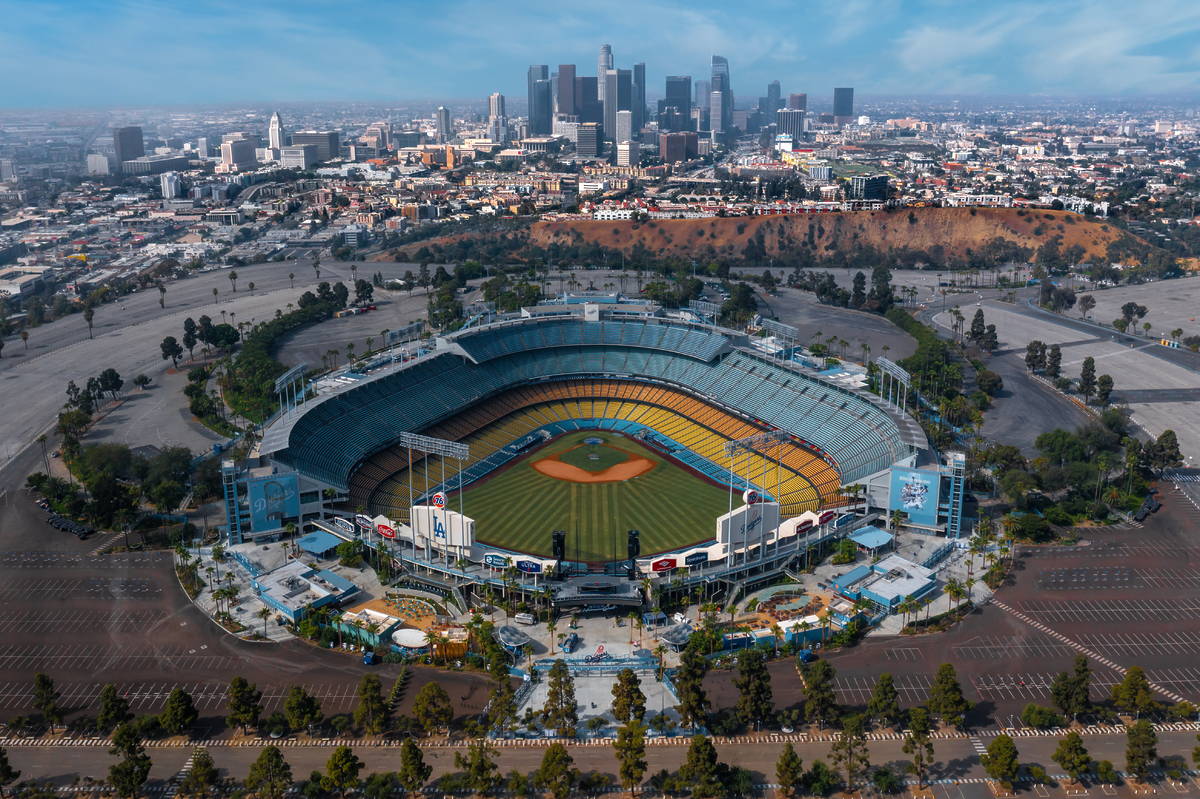
Dodger Stadium, located in Los Angeles, California, is more than just a baseball park; it is a prominent cultural landmark that has played a crucial role in the history of Major League Baseball (MLB) and the city itself. As the home of the Los Angeles Dodgers, this iconic ballpark is the oldest in MLB still in use, having opened its gates in 1962. The stadium’s unique features and storied past make it a focal point for sports fans and tourists alike, contributing significantly to the local economy and community.
A Historical Overview
Opened on April 10, 1962, Dodger Stadium was designed by architect Emil Praeger and is known for its picturesque views of the San Gabriel Mountains. It was built at a time when Los Angeles was rapidly expanding, showcasing the growing popularity of baseball in a region that would become one of America’s largest cities. The stadium was the first MLB venue to be constructed from scratch in the 20th century, and its innovative design set new standards for baseball parks, with a seating capacity that can accommodate over 56,000 fans.
Notable Events and Achievements
Throughout its history, Dodger Stadium has hosted numerous memorable events, including multiple World Series, All-Star games, and even concerts featuring some of the biggest names in music. In 2023, the stadium celebrated its 61st anniversary with a series of special events, including vintage memorabilia exhibits and fan appreciation days that highlighted its storied past. The Dodgers’ 2020 World Series championship title added another chapter to the stadium’s illustrious history, making it an even more cherished venue for both players and fans.
Recent Developments and Community Impact
In recent years, efforts to enhance the fan experience at Dodger Stadium have been a priority. Major renovations have been undertaken, with upgrades to concession areas, restrooms, and seating options, ensuring that the stadium remains competitive with newer parks. Additionally, the Dodgers have made concerted efforts to engage with the local community, organizing outreach programs that focus on youth baseball initiatives and local charities.
Conclusion
As Dodger Stadium continues to evolve, it remains a beloved venue not just for sports, but as an important part of the Los Angeles community’s identity. Looking forward, the stadium is poised to attract even more visitors, contributing significantly to the region’s cultural and economic vitality. With its rich history and modern upgrades, Dodger Stadium stands as a testament to the enduring legacy of baseball in Southern California, promising unforgettable memories for generations to come.