Introduction
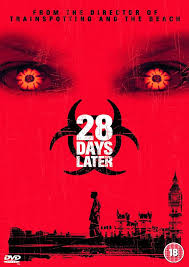
Released in 2002, ’28 Days Later’ has become a seminal film in the horror genre, especially in the context of zombie apocalypse narratives. Directed by Danny Boyle and written by Alex Garland, this film stands out for its realistic depiction of a post-apocalyptic world as well as its commentary on society during times of crisis. The film’s exploration of themes such as survival, human morality, and the breakdown of societal norms resonates with contemporary audiences, making its relevance enduring even two decades after its release.
The Film’s Plot and Themes
’28 Days Later’ follows the story of Jim, played by Cillian Murphy, who awakens from a coma to find London deserted and ravaged by a violent epidemic caused by the Rage virus that turns humans into aggressive zombies. The film excels not only in its thrilling action sequences but also presents a philosophical exploration of humanity’s response to catastrophe.
The film is recognized for effectively combining horror with social commentary. It asks probing questions about the fragility of civilization and human relationships in the face of overwhelming adversity. The grounded portrayal of survival—showcasing how fear and desperation can lead to moral dilemmas—adds an emotional depth to the film that sets it apart from typical horror flicks.
Impact on the Genre
’28 Days Later’ is credited with reinvigorating the zombie genre, paving the way for future films such as ‘World War Z’ and ‘Train to Busan’. It introduced fast-moving zombies, a departure from the traditional, slow-moving undead, which has since become a staple in modern portrayals of zombies. Furthermore, its success has influenced video games, graphic novels, and television series, including the critically acclaimed show ‘The Walking Dead’.
Conclusion
The legacy of ’28 Days Later’ is not just in its thrilling narrative but in its cultural significance. The film has sparked discussions on various topics, such as public health and societal collapse, making it a member of the canon of important horror films. In a post-pandemic world, its themes resonate even more as audiences reflect on human resilience amid crisis. As we delve deeper into the shifting landscapes of horror cinema, ’28 Days Later’ stands as a pivotal piece in the narrative of our collective fears and societal vulnerabilities.