Introduction
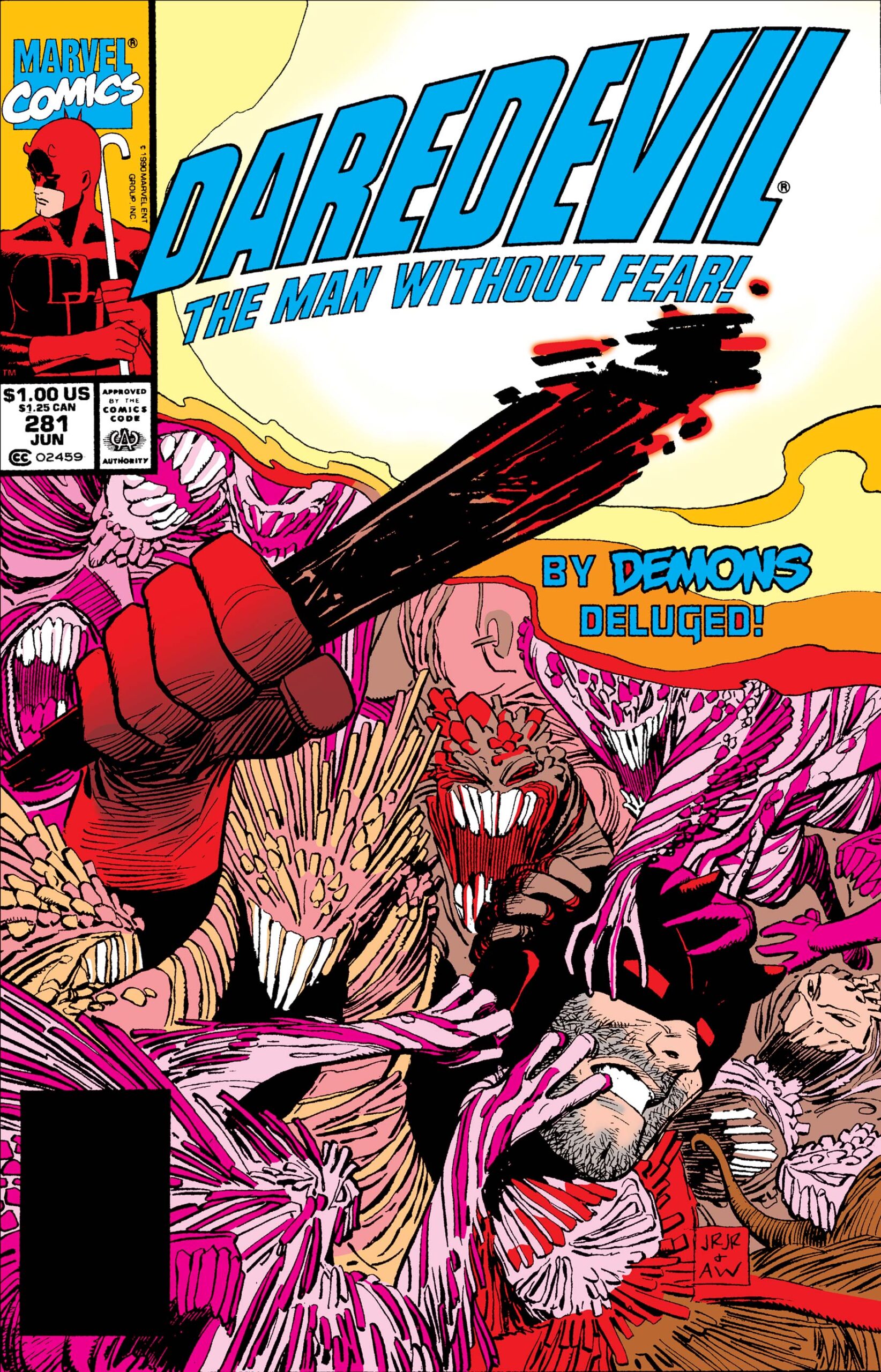
Daredevil, a character from Marvel Comics, has surged in popularity over the years, becoming an iconic figure in comic book and television history. Created by writer Stan Lee and artist Bill Everett, alongside Jack Kirby, in 1964, he represents a unique blend of superhero bravado and deep human struggle. With recent adaptations in various media, including the critically acclaimed Netflix series, Daredevil’s relevance continues to resonate with both longtime fans and new audiences alike.
The Story of Daredevil
Daredevil, whose real name is Matt Murdock, is a blind lawyer who fights crime in the Hell’s Kitchen neighborhood of New York City. Blind from a childhood accident involving radioactive waste, his other senses became heightened, allowing him to navigate the world in a distinctive way. The duality of his life as both a lawyer and a vigilante raises profound questions about justice and morality, central themes that have appealed to readers and viewers alike.
The character’s journey reflects the struggles of overcoming adversity, making it relatable to many. Significant story arcs, such as “Born Again” by Frank Miller and “Daredevil: Yellow” by Jeph Loeb, delve into his psychological turmoil, exploring themes of faith, loss, and redemption. These narratives have solidified Daredevil’s place not only as a superhero but as a deeply complex character within the Marvel Universe.
Daredevil in Modern Media
In recent years, the Netflix adaptation of Daredevil, which premiered in 2015, catapulted the character back into the spotlight. The series was praised for its dark tone, intricate storytelling, and strong character development, particularly the performances of Charlie Cox as Matt Murdock and Vincent D’Onofrio as Wilson Fisk. The show helped redefine superhero television, blending crime drama with action and emotional depth.
As interest in superhero narratives continues to grow, Daredevil’s influence extends beyond just entertainment. The social issues presented in the series, including complex legal and ethical dilemmas, point to a broader cultural discourse around justice, vigilante morality, and the fight against systemic corruption.
Conclusion
Daredevil remains an influential figure in both comic lore and modern television. As adaptations continue to evolve and audiences demand deeper stories, the character’s rich background and themes of struggle against personal and societal demons will likely keep him relevant. The combination of action, law, and moral questioning makes Daredevil not just a superhero but a cultural commentary, resonating with fans and critics alike. As popular culture shifts, the legacy of Daredevil is bound to expand, inviting new interpretations and explorations for future generations.