Introduction
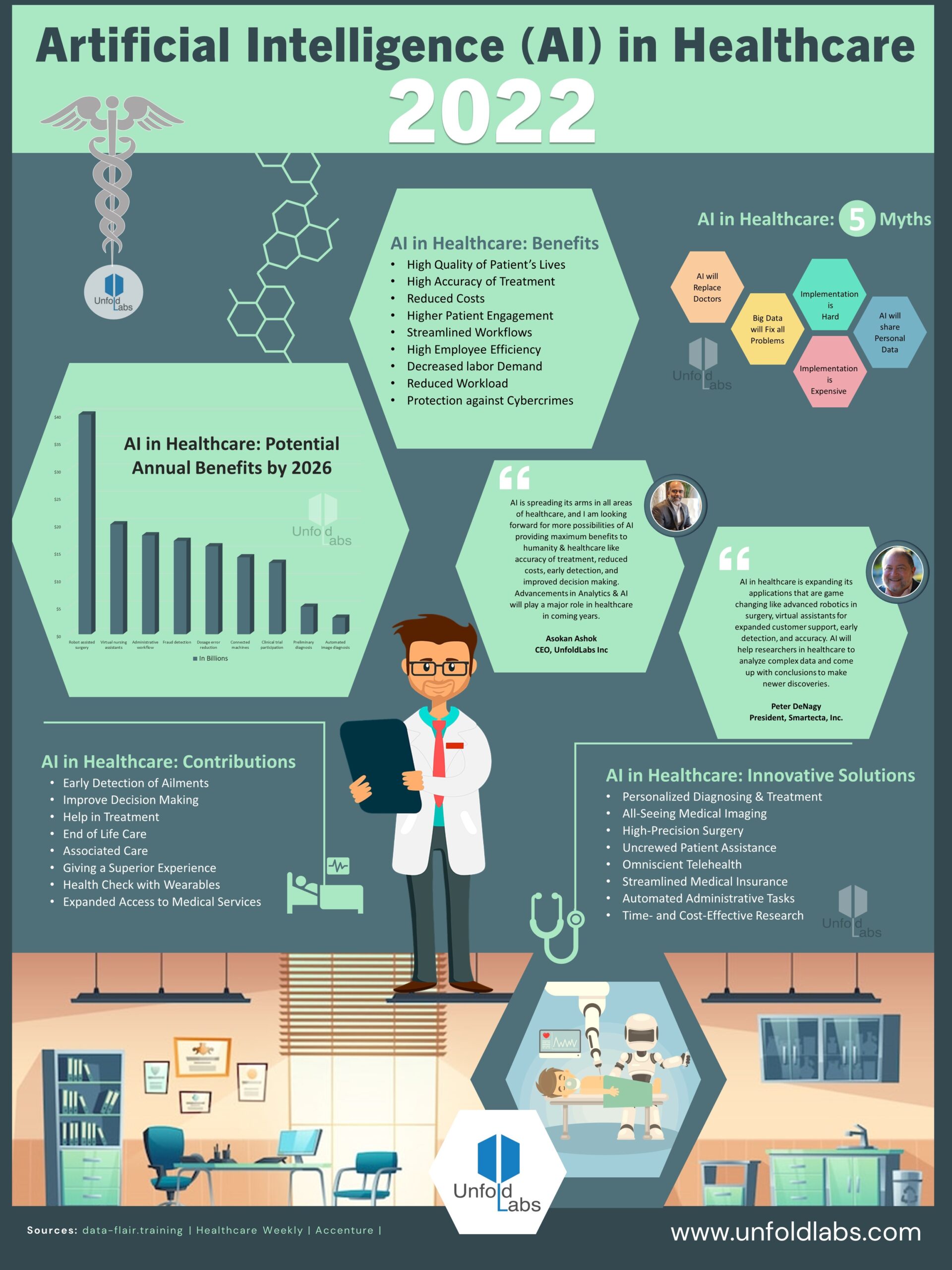
The integration of artificial intelligence (AI) in healthcare is rapidly reshaping the landscape of patient care and medical services. With the increasing volume of patient data and the complexity of healthcare systems, AI technologies offer innovative solutions to enhance efficiency, accuracy, and accessibility of medical services. The relevance of AI in this sector cannot be overstated as the industry continues to seek new methodologies to improve health outcomes and operational efficiencies.
Current Applications of AI in Healthcare
AI is making significant strides in various sectors of healthcare ranging from diagnostics to personalized medicine. For instance, AI-powered algorithms are improving diagnostic accuracy in fields such as radiology and pathology, where they can analyze images faster and often with greater precision than human professionals. According to a study published in ‘Nature’ in March 2023, AI systems demonstrated an accuracy of 94% in detecting certain types of cancers from imaging data.
Moreover, AI is utilized in predictive analytics, where algorithms analyze patient data to forecast disease progression and potential complications. This proactive approach enables healthcare providers to implement preventive measures and tailor treatment plans to individual patient needs. An example of this is the use of machine learning models to predict patient readmission rates and optimize resource allocation.
Recent Developments and Innovations
In addition to diagnostics and predictive analytics, AI technology is being employed in telemedicine and drug discovery. The COVID-19 pandemic accelerated the adoption of telehealth services, and AI tools are enhancing these platforms by providing virtual assistants that can handle patient inquiries, manage medication schedules, and assist physicians in clinical decision-making. During 2022, platforms such as IBM Watson Health saw increased usage as they incorporated AI features to analyze real-time patient data and deliver insights to healthcare providers.
The pharmaceutical industry is also reaping the benefits of AI through faster drug discovery processes. AI algorithms can analyze biological data, predict how compounds will interact, and help identify viable candidates for clinical trials. A report by Research and Markets in January 2023 anticipated that AI-driven drug discovery market will grow by 40% over the next five years, reflecting the significant cost and time savings that these technologies can offer.
Challenges and Future Outlook
Despite the immense promise of AI in healthcare, challenges remain. Issues regarding data privacy, security concerns, and the need for regulatory frameworks to ensure the ethical use of AI are priorities for industry stakeholders. The ‘Journal of the American Medical Association’ emphasized the need for comprehensive policies to address these challenges as AI adoption grows.
Conclusion
AI in healthcare represents a transformative opportunity to enhance patient care and optimize health system operations. As technologies evolve and barriers are addressed, AI is positioned to become an integral part of the healthcare ecosystem, fostering improvements in efficiency and patient outcomes. For readers engaged in the healthcare profession or interested in medical innovations, the trajectory of AI advancements will be crucial in shaping the future of healthcare delivery.