The Importance of Understanding Gen Z
Generation Z, commonly known as Gen Z, includes individuals born from the mid-1990s to the early 2010s. As the first generation to grow up with the internet and digital technology at their fingertips, Gen Z is significantly shaping contemporary culture and society. Understanding the values, behaviors, and trends of this generation is vital for businesses, educators, and policymakers.
Characteristics and Values of Gen Z
Gen Z is characterized by its commitment to diversity, inclusivity, and social justice. According to a recent report by Pew Research Center, over 50% of Gen Z identifies as a part of a minority group. This racial and cultural diversity influences their social and political perspectives, leading them to prioritize equality in various spheres of life, including the workplace, education, and legislation.
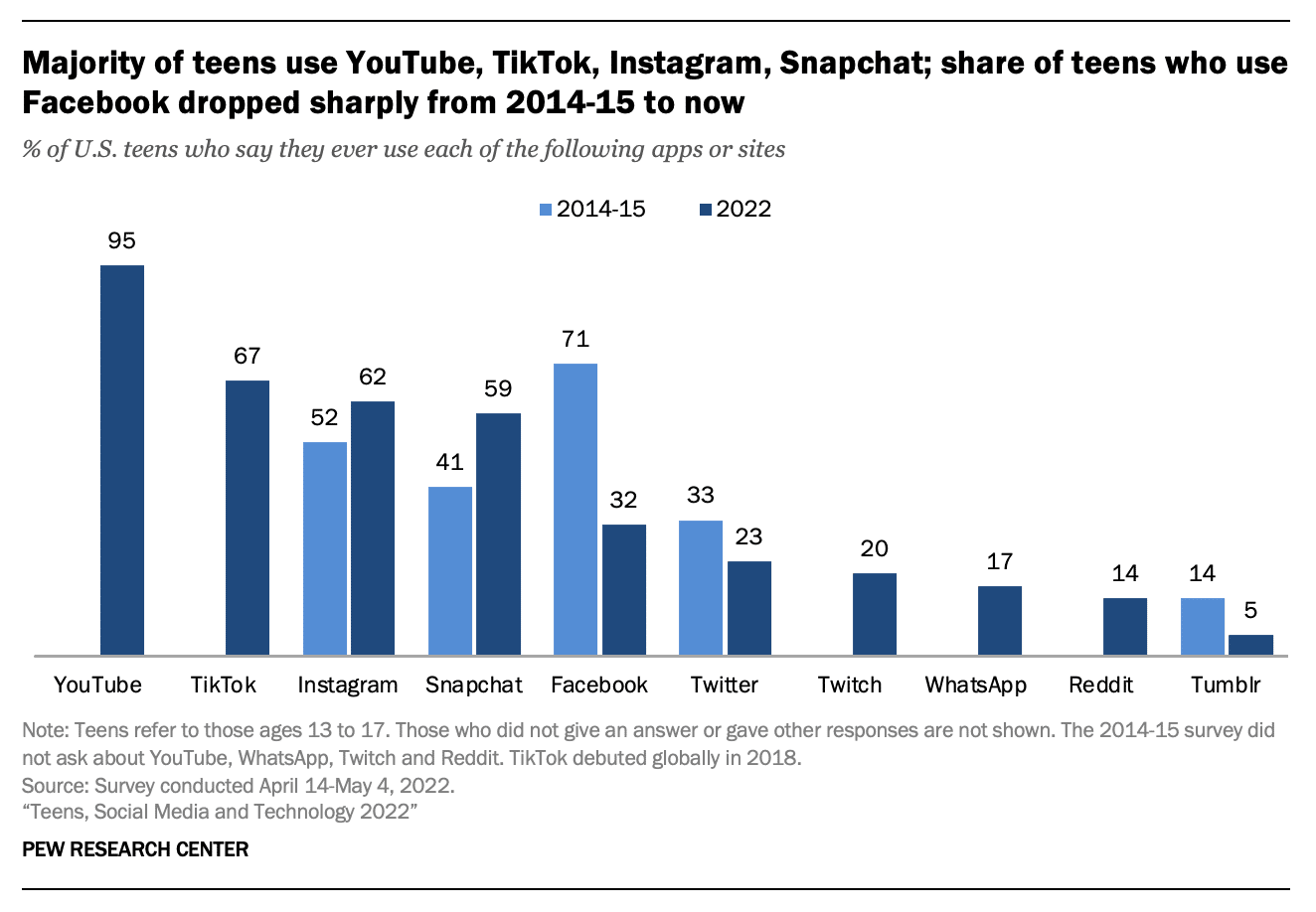
Additionally, Gen Z places a high value on authenticity and mental health. Their preference for realness over curated perfection can be seen on social media platforms like TikTok and Instagram, where they advocate for mental well-being, self-care, and transparency.
Economic Influence and Consumer Behavior
From an economic standpoint, Gen Z is making waves as consumers. A Business Insider report indicates that Gen Z will account for approximately 40% of all consumers by 2025. They are tech-savvy shoppers, preferring online platforms and valuing convenience. Furthermore, their purchasing decisions are often swayed by a brand’s stance on social issues, making corporate responsibility a crucial factor for businesses targeting this demographic. Brands that fail to align with Gen Z values risk losing their market share.
The Future Outlook for Gen Z
As Gen Z continues to enter the workforce and gain purchasing power, they are expected to drive significant changes in various industries. Analysts suggest that their preference for flexible work arrangements and emphasis on work-life balance will transform corporate cultures and recruitment strategies.
Moreover, as social advocates, they are likely to push for corporate accountability, sustainable practices, and inclusivity, compelling both established and new companies to adapt their approaches accordingly.
Conclusion
In conclusion, understanding Gen Z is not just relevant but necessary for anyone looking to engage with the future. Their values and behaviors are reshaping societal norms, consumption patterns, and workforce expectations. As we look ahead, it is essential to consider how this generation will continue to influence both our economy and culture as they come into their own.