Introduction
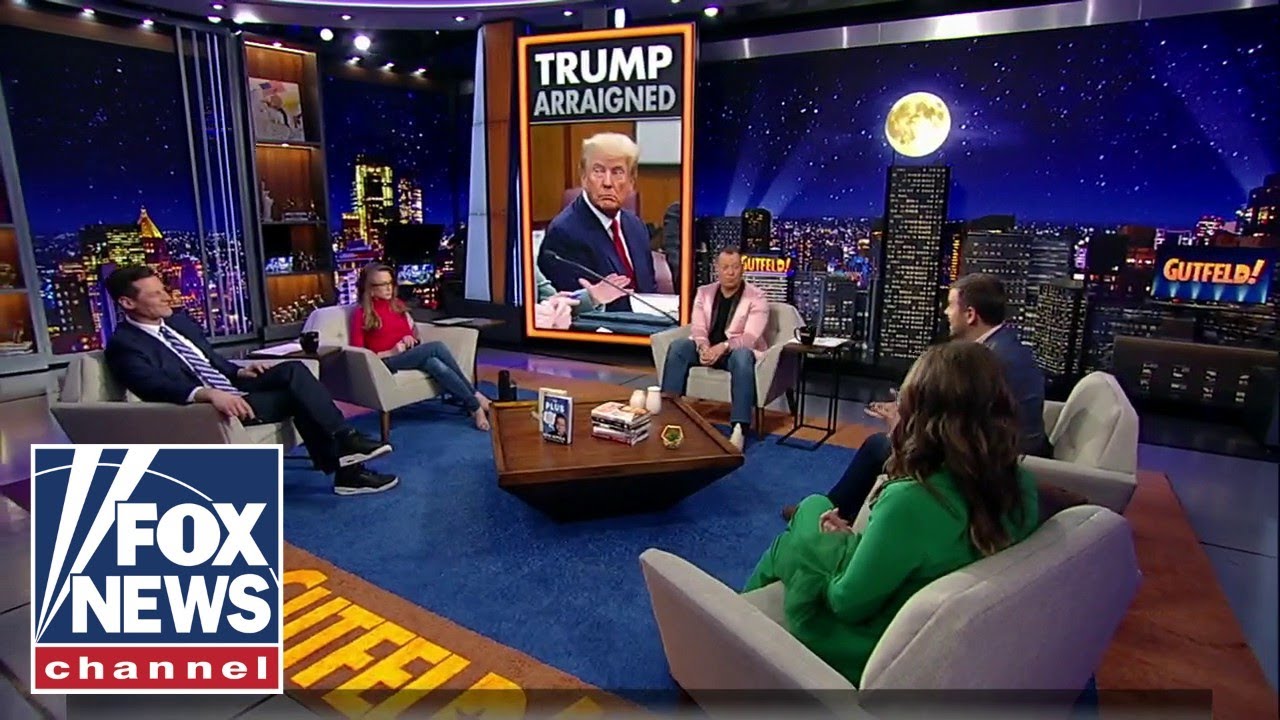
In an era dominated by liberal-leaning late-night shows, Gutfeld!, hosted by Greg Gutfeld, has emerged as a unique voice in the arena of political commentary and comedy. Launched in April 2021, the show quickly gained traction with audiences seeking a conservative perspective in the comedic landscape. As the ratings continue to reflect Gutfeld’s popularity, understanding the impact of his show on the late-night television format is increasingly important.
Key Features of Gutfeld!
Gutfeld’s format deviates from traditional late-night shows, combining humorous monologues, panel discussions, and sketch segments. The show frequently addresses political topics with a satirical twist, providing insight while injecting humor that resonates with a significant portion of American viewers. According to Nielsen ratings, Gutfeld! consistently outperforms its competitors, establishing a new benchmark for late-night comedy attracting a demographic that feels underrepresented in mainstream media.
Audience Reception and Cultural Impact
As of October 2023, Gutfeld’s show has been a catalyst for conversations surrounding free speech and political discourse. Many fans appreciate the show’s candid approach towards contentious issues, creating a space for humor without the constraints often imposed by traditional political correctness. The character of Gutfeld, who presents himself as relatable and sometimes irreverent, has garnered a dedicated fanbase, particularly among younger conservatives. Polls indicate that his audience often feels more included and represented, contrasting starkly with the audiences of more mainstream late-night shows. Furthermore, Gutfeld’s ability to address complex political topics with humor has prompted discussions about the role of comedy in politics.
Conclusion: The Future of Late Night with Gutfeld
As we move forward, the significance of Gutfeld! in reshaping late-night television continues to unfold. With his show’s emphasis on humor, current events, and viewer engagement, Greg Gutfeld is carving out a lasting place for conservative comedy in a space traditionally dominated by liberal perspectives. With ratings showing resilience and a demographic eager for diverse viewpoints, Gutfeld’s influence might inspire a broader shift in late-night formats, encouraging more variety and inclusivity in future programming. This indicates a new era in television where differing political opinions can coexist, providing viewers with a richer, more varied late-night experience.