Introduction
The proliferation of Iranian drones has emerged as a significant concern within the realm of global security. As Iran continues to enhance its drone technology, these unmanned aerial vehicles (UAVs) are increasingly being utilized not only by the Iranian military but also by proxy groups across the Middle East. This escalation raises pivotal questions about regional stability and international security dynamics, making it an essential topic for policymakers and defense analysts alike.
The Rising Capability of Iranian Drones
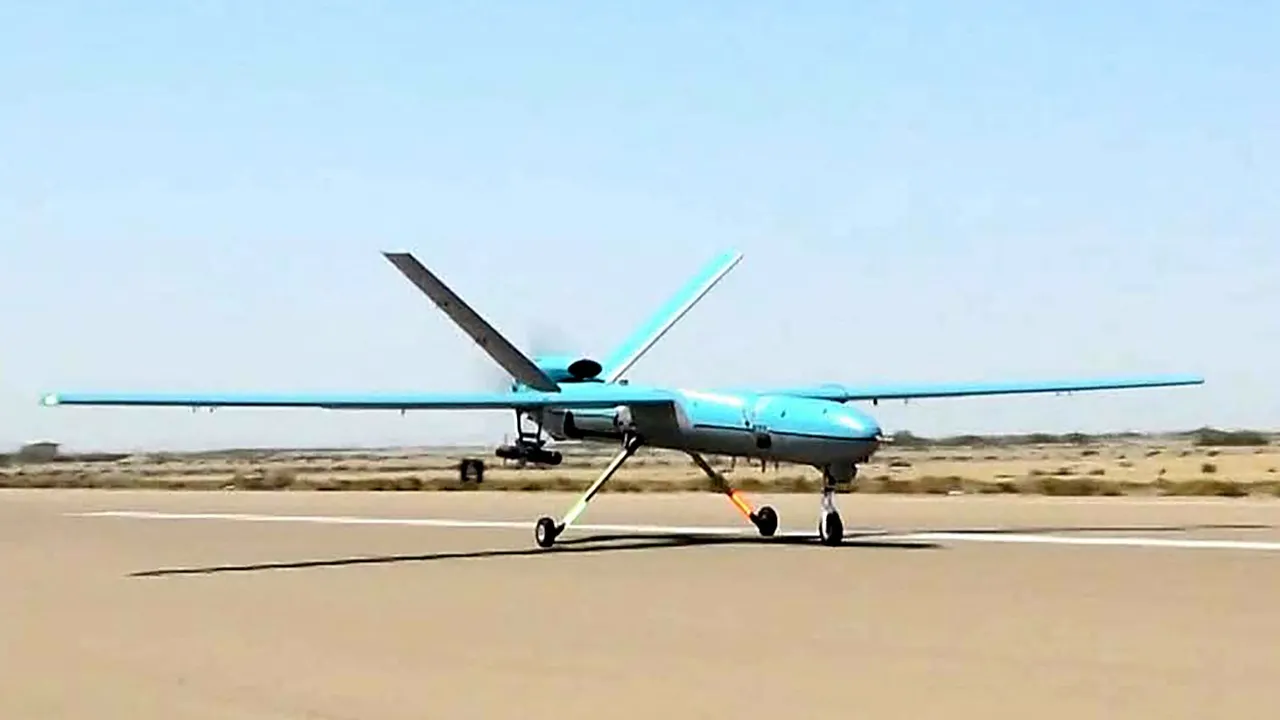
In recent years, Iranian drone technology has rapidly advanced, allowing for the production of various types of UAVs, some of which are capable of long-range strikes. The Shahed series, particularly the Shahed-136, has garnered attention for its effectiveness in combat situations and its reported use in attacks on enemy targets in countries like Yemen and Iraq. These drones are not only used for reconnaissance but also equipped with explosives, marking a shift in tactical operations in the region.
Influence on Proxy Warfare
Iran’s provision of drones to allied militant groups, such as Hezbollah and the Houthi rebels in Yemen, illustrates the shift toward asymmetric warfare. These groups have leveraged Iranian drone technology to carry out attacks against regional adversaries, particularly Saudi Arabia and Israel. Such developments have altered the balance of power in the Middle East, prompting a response from adversaries who are now recalibrating their defensive strategies.
International Response and Concerns
The rise of Iranian drones has drawn the attention of the international community, particularly the United States and its European allies, who are concerned about the implications for regional and global security. In recent months, the U.S. has implemented sanctions targeting Iranian drone producers and supporters, aiming to curb Tehran’s military capabilities. Furthermore, NATO allies have been observing these developments closely, assessing the potential need for updated defense measures against possible drone strikes.
Conclusion
The increasing capabilities of Iranian drones signify a turning point in modern warfare, particularly concerning asymmetric tactics and proxy conflicts. As Iran continues to fortify its drone technology and disseminate it among allied groups, the risk of escalation in conflicts across the Middle East—and potentially beyond—remains high. For policymakers and defense analysts, understanding this landscape is crucial for developing proactive strategies to mitigate threats and ensure global stability.