Introduction
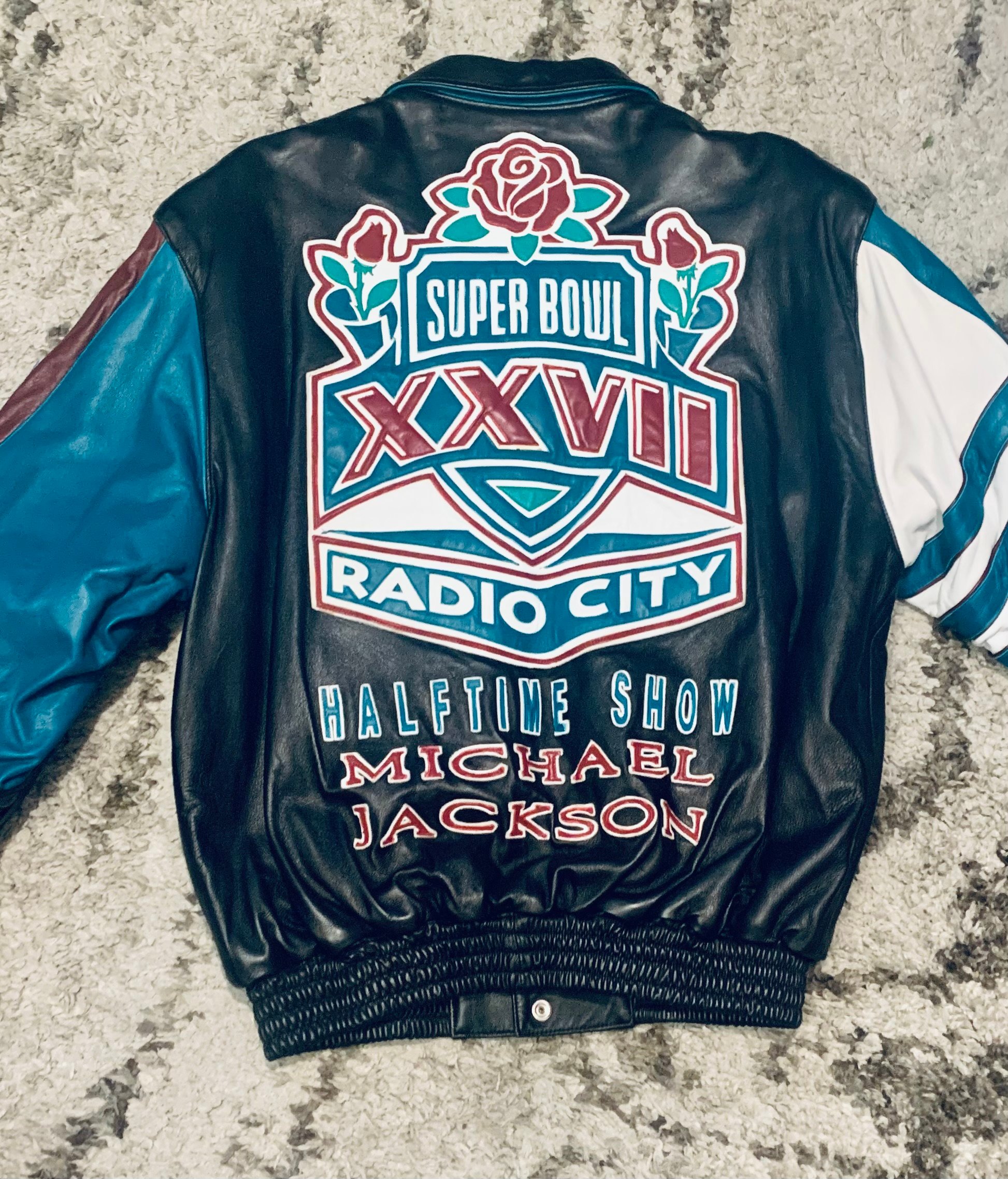
Michael Jackson’s performance at the Super Bowl XXVII halftime show on January 31, 1993, is widely regarded as a pivotal moment in the history of entertainment. This performance not only redefined the Super Bowl halftime show but also marked a significant cultural event that demonstrated the power of music and performance. As the first artist to capture the world’s attention during the halftime slot, Jackson set a new standard and began a tradition of riveting halftime shows that fans look forward to every year.
The Performance
Michael Jackson’s halftime show is remembered for its dramatic flair and elaborate production. The performance featured a medley of hits including “Billie Jean,” “Black or White,” and “We Are the World.” With a live audience of approximately 90 million viewers, Jackson’s performance was dynamic and innovative, introducing a theatrical element that had not been seen in previous shows. Iconic moments such as his entrance from a platform high above the field, accompanied by a visually stunning display of pyrotechnics and choreography from his backup dancers, captivated audiences worldwide.
Cultural Significance
The Super Bowl halftime show was already popular, but Michael Jackson’s performance catapulted it into a new realm of cultural significance. Before Jackson, the halftime shows featured marching bands and traditional entertainment. After his groundbreaking appearance, the Super Bowl halftime became a stage for modern pop artists to showcase their talents, turning it into a major entertainment spectacle. This shift can be seen as a precursor to the star-studded halftime shows we witness today, featuring artists like Beyoncé, Lady Gaga, and The Weeknd.
Legacy and Impact
Jackson’s performance is often credited with boosting the popularity of the Super Bowl as a family-friendly event. His ability to engage a diverse audience set a precedent for future performers and reflected his status as a global icon. The immense success of this show has led to a discussion surrounding the commercialization of the Super Bowl, with brands recognizing the value of associating with high-profile performances that draw in millions of viewers.
Conclusion
In conclusion, Michael Jackson’s Super Bowl halftime show was not just a performance but a watershed moment in both sports and entertainment history. It changed the landscape of musical performances during the Super Bowl and inspired generations of artists to innovate and entertain on that grand stage. With 30 years since that unforgettable show, its legacy continues to influence the blend of sports and entertainment we experience each year during the Super Bowl.