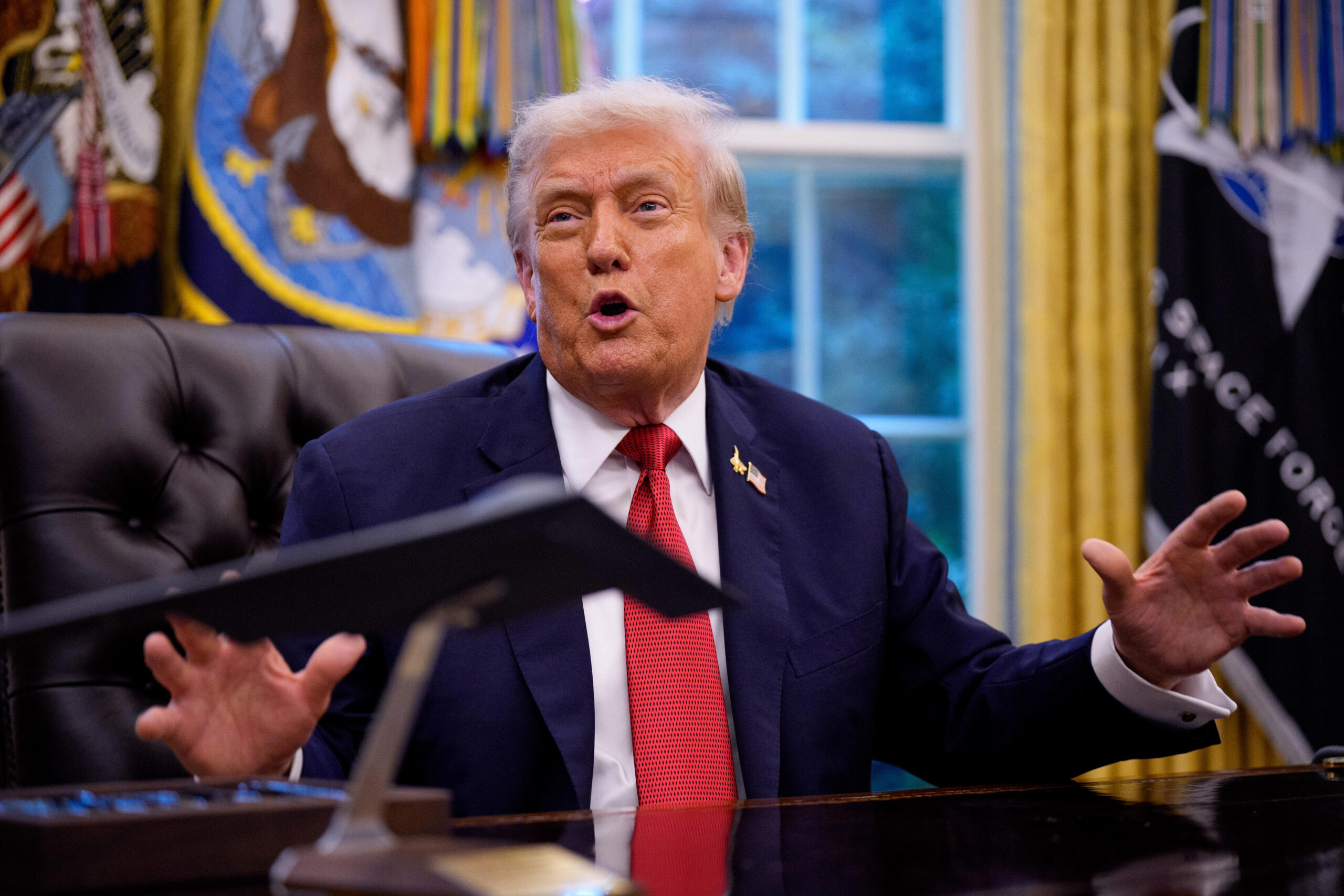
Introduction
The debate over student loan repayment has gained significant traction in recent years, especially in light of the Trump administration’s policies. With approximately 45 million borrowers in the United States holding a collective $1.6 trillion in student debt, changes to repayment structures can have profound implications for both individuals and the economy.
Overview of Student Loan Repayment Under Trump’s Administration
During his time in office, former President Donald Trump initiated several changes to the federal student loan repayment system. One of the most prominent changes was the push for a more streamlined income-driven repayment (IDR) plan, which aimed to simplify repayment options for borrowers. This plan sought to allow borrowers to pay 12.5% of their discretionary income for a period of 15 years, after which any remaining balance would be forgiven.
Furthermore, the Trump administration emphasized the importance of accountability for institutions that took federal student aid. This move was seen as a response to concerns about the rising default rates among borrowers and aimed at ensuring that educational institutions were providing value for their students’ investment.
Recent Developments on Student Loan Repayment
As of 2023, the Biden administration has made significant strides in revising and reversing Trump-era policies. The Education Department has been working on simplifying the IDR process further and reinstating certain forgiveness programs that were altered during Trump’s term. Recently, there has been a 10-month pause in student loan repayments and interest accrual due to the ongoing effects of the COVID-19 pandemic, bridging the gap from Trump-era policies to new initiatives introduced by President Biden.
Conclusion
These developments demonstrate the contentious nature of student loan repayment policies and their broader implications for American borrowers. As prospective students continue to weigh their options for higher education alongside the staggering debt associated with it, the policies established during and after Trump’s presidency will remain a focal point in ongoing discussions about educational financing. It is crucial for borrowers to stay informed on evolving measures to ensure they can effectively navigate repayment options and maintain financial stability in an ever-changing landscape.