Introduction
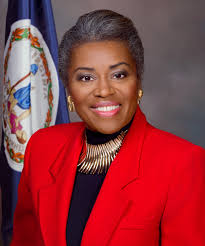
Winsome Earle-Sears has made history as the first Black woman elected to Virginia’s statewide office, becoming the Lieutenant Governor of Virginia in January 2022. Her election is significant not only for its groundbreaking nature but also for what it represents in the broader narrative of inclusion and leadership in American politics. Earle-Sears’s story resonates with many as it highlights the importance of diversity and representation, especially in a political landscape that has often been dominated by individuals from similar backgrounds.
Background and Political Journey
Born in Jamaica and raised in the Bronx, Earle-Sears’s journey to the political forefront is remarkable. She served in the U.S. Marine Corps and later earned her degree from Old Dominion University, focusing her career on advocacy and community service. Before her election as Lieutenant Governor, she served in Virginia’s House of Delegates, where she made a name for herself by addressing issues such as education, police reform, and economic development.
In the 2021 elections, Earle-Sears ran alongside gubernatorial candidate Glenn Youngkin, securing her place in history by winning a closely contested race. During her campaign, she emphasized uniting Virginians across party lines and promoting policies that would benefit all citizens, regardless of race or background.
Accomplishments and Initiatives
Since her inauguration, Winsome Earle-Sears has taken on a variety of initiatives aimed at improving the lives of Virginians. She has focused on issues such as educational reform, job creation, and restoring law and order in communities. Earle-Sears’s efforts include a push for increased access to vocational training and support for small businesses, aiming to empower people with the skills they need to thrive in a rapidly-evolving economy.
Additionally, her role as a public figure represents a shift in the political landscape of Virginia. Earle-Sears is actively involved in discussions around mental health and substance abuse, advocating for change and improved resources for these critical areas.
Conclusion
The accomplishments of Winsome Earle-Sears are a beacon of hope for many, signifying the progress that can be made when diversity is embraced in governance. Her election and subsequent initiatives reflect a broader demand for representation and accountability in leadership. As she continues her work in Virginia, the significance of her role is palpable. Looking ahead, Earle-Sears aims to further bridge divides within the state and set a precedent for future leaders. Her journey serves as an inspiring reminder of the potential for change when voices from different walks of life come together in pursuit of a common goal.