Introduction to the S&P 500
The S&P 500 index is one of the most widely followed stock market indicators in the United States, representing the performance of 500 of the largest companies listed on stock exchanges. Investors and analysts closely watch the index, as it serves as a barometer of the U.S. economy and overall market health. As the economy continues to evolve post-pandemic, understanding the S&P 500’s movements is more relevant than ever.
Recent Performance Trends
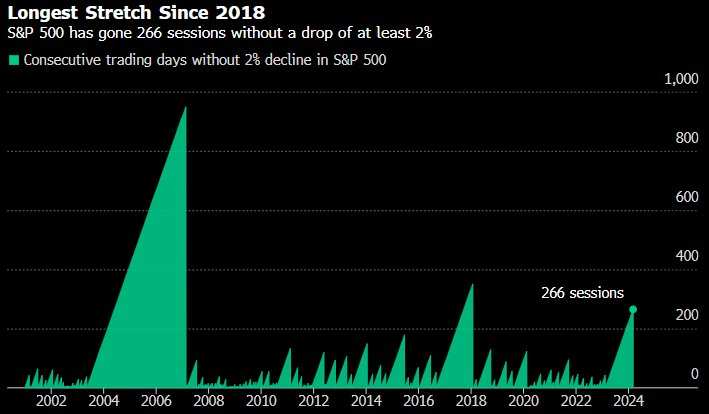
As of mid-October 2023, the S&P 500 has shown resilience amidst rising interest rates and inflation concerns, which are affecting market sentiment. Recent data indicates that the index has performed relatively well, reflecting a stable economic outlook driven by robust corporate earnings and consumer spending. Analysts noted that sectors such as technology and financial services are contributing significantly to the index’s growth. In the third quarter of 2023, notable companies within the index reported higher earnings, which fueled optimism among investors.
Market Influences and Economic Indicators
Several factors are influencing the S&P 500, including Federal Reserve policies, global economic trends, and geopolitical events. With the Federal Reserve’s recent decision to keep interest rates steady due to signs of economic cooling, many analysts believe this could bolster market confidence, positively impacting the index. Additionally, geopolitical tensions, especially in Eastern Europe and Asia, contribute to market volatility, which investors must navigate.
Looking Ahead: Forecast and Significance
Experts predict that the S&P 500 will continue to experience fluctuations in the near term, driven by economic data releases and corporate earnings reports. The ongoing discussion around inflation management and government spending will likely influence market dynamics. For average investors, keeping an eye on the S&P 500 is crucial, as it offers insights into market trends and investment opportunities. Furthermore, an upturn in the S&P 500 historically correlates with increased consumer confidence and spending, vital for economic growth.
Conclusion
The S&P 500 remains a critical indicator of the U.S. economy, providing essential insights for investors and stakeholders alike. As economic conditions continue to evolve, staying informed about the S&P 500 will not only help investors make sound decisions but also facilitate a better understanding of broader economic trends. As such, it is an essential topic for those interested in the financial landscape.