Introduction
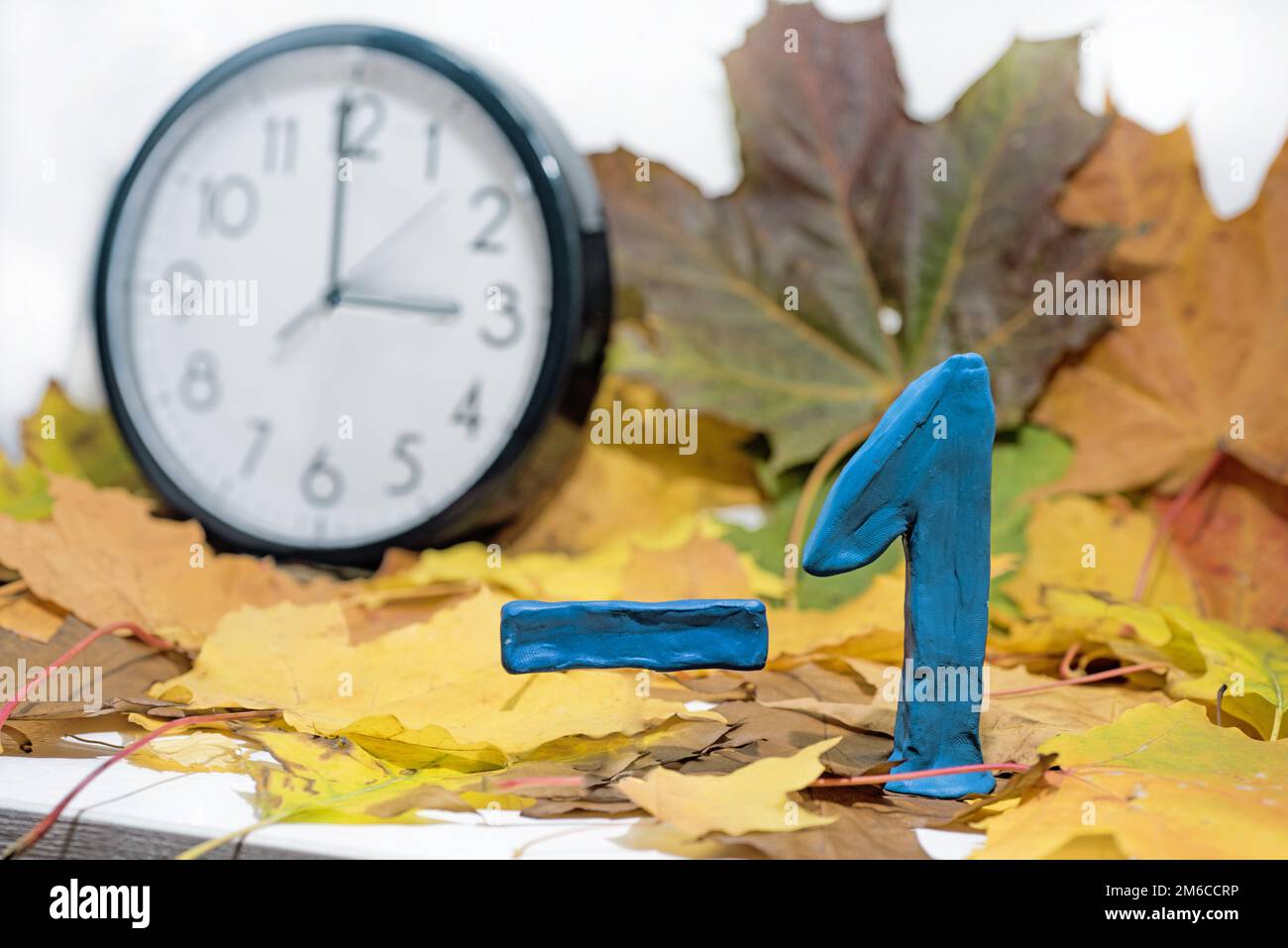
Daylight Saving Time (DST) is a practice adopted by many regions around the world to make better use of daylight during the longer days of summer. The concept involves setting clocks forward by one hour during the warmer months, resulting in more evening daylight. Despite the benefits it offers, the practice is often met with both support and criticism, making it an important topic for discussion as regions prepare for the upcoming changes.
The History of Daylight Saving Time
First proposed by Benjamin Franklin in 1784, the idea of DST was implemented to conserve energy during World War I and later during World War II. The United States formalized the practice with the Uniform Time Act of 1966, which established a standardized start and end date for DST. Currently, DST begins on the second Sunday in March and ends on the first Sunday in November in the U.S., although not all states observe it.
Current Trends and Changes
As of 2023, the conversation surrounding DST has intensified. Some states, such as Florida and California, have proposed legislation to make Daylight Saving Time permanent, arguing that it could reduce confusion and improve mental health by providing more daylight during winter months. Recent studies have also indicated that the time change may contribute to sleep disruption and various health issues.
In March 2022, the U.S. Senate passed the Sunshine Protection Act, which aims to eliminate the biannual clock changes; however, the bill has yet to pass through the House of Representatives. Advocates of permanent DST believe it would benefit businesses, tourism, and reduce seasonal affective disorder, while opponents cite potential negative effects on sleep and scheduling.
Conclusion
As communities prepare to adjust to the clock changes in November, the future of Daylight Saving Time remains a topic of significant public interest and debate. While many people enjoy the evening sunlight and the opportunities it provides for outdoor activities, the broader implications of this practice on health and well-being cannot be ignored. As discussions continue in legislatures, citizens are encouraged to weigh the potential benefits and drawbacks of Daylight Saving Time, as it affects all aspects of daily life. Whether or not changes to the current system are implemented, understanding the implications of DST is crucial for adapting to these seasonal transitions.