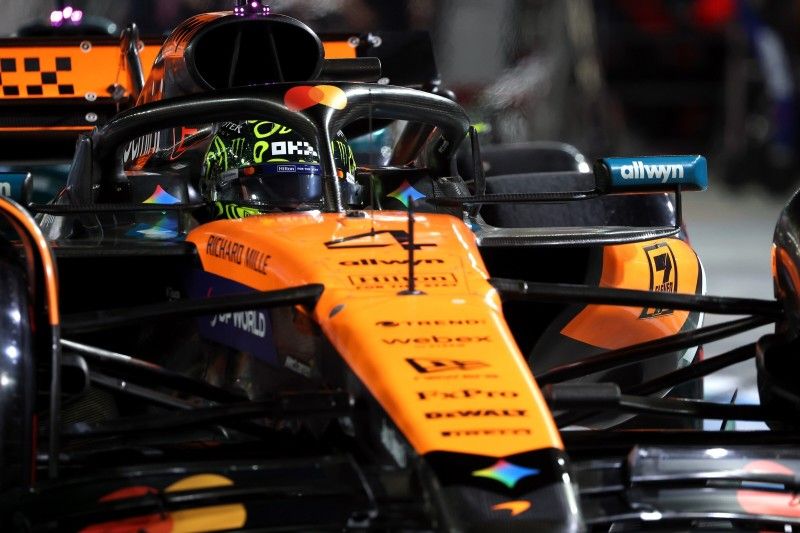
Introduction to F1 Qualifying
Formula 1 qualifying is a crucial part of the racing weekend, determining the starting grid for the Grand Prix. With the current season displaying intense competition among teams and drivers, F1 qualifying has become a focal point for fans and teams alike. Its strategic importance cannot be overstated, as pole position often leads to better performance on race day.
How F1 Qualifying Works
F1 qualifying typically takes place on the Saturday before the race, and it is divided into three segments: Q1, Q2, and Q3. In Q1, all participating drivers compete for the fastest lap times, with the slowest five drivers being eliminated. Those who advance to Q2 then battle for their positions, with the slowest five from this session also being knocked out. Finally, Q3 sees the top ten drivers competing for pole position, where the fastest driver secures the coveted first spot on the grid for Sunday’s race.
Recent Developments in F1 Qualifying
In the 2023 season, qualifying has seen some exciting developments, particularly with the introduction of various tire compounds affecting performance in qualifying laps. Teams like Red Bull and Ferrari have demonstrated their prowess, regularly locking in top positions. As seen in the recent Italian Grand Prix, Charles Leclerc’s exceptional qualifying run underscored how tight the competition can be, impacting his subsequent race strategy.
Significance of Qualifying Results
Studies indicate that drivers starting from pole position win approximately 40% of races, highlighting the strategic edge gained from qualifying successfully. Moreover, qualifying performances can significantly affect team morale and sponsor visibility, influencing long-term investments and partnerships within the sport. Consequently, the qualifying session becomes not just an individual affair for drivers, but a vital team effort that includes data analysis, tire management, and tactical communications.
Conclusion: The Future of F1 Qualifying
As Formula 1 continues to evolve with technology and regulations, the nature of qualifying will likely adapt. Innovations such as hybrid engine technology and improved telemetry may further change how teams approach these pivotal sessions. For fans and participants alike, understanding F1 qualifying enhances the overall experience of the sport, revealing the intricate strategies that unfold both on and off the track. As the current season progresses, keeping an eye on qualifying performances will remain essential for predicting race outcomes and team standings.