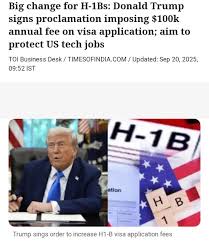
Introduction to H1B Visas
The H1B visa program is a critical pathway for skilled foreign workers seeking employment in the United States. Established in 1990, it allows U.S. employers to temporarily employ foreign workers in specialty occupations that require theoretical or technical expertise. As the U.S. faces labor shortages in various sectors, understanding the H1B visa’s role is more pertinent than ever.
Current State of H1B Visas
According to the U.S. Citizenship and Immigration Services (USCIS), a cap of 85,000 visas is available each year, with 65,000 allocated for regular applicants and 20,000 for those holding advanced degrees from U.S. institutions. The demand for H1B visas continues to exceed supply. In the recent application cycle, USCIS received over 300,000 petitions, indicating fierce competition among applicants. The continued demand underscores the program’s importance to the U.S. economy.
Recent Changes and Developments
In 2023, the Biden administration introduced several modifications to streamline the application process and improve the experience for employers and applicants. These changes include increased transparency in the selection process and efforts to reduce processing times significantly. Additionally, there is ongoing discussion in Congress regarding potential reforms to address concerns about wage disparities and the impact of H1B workers on the domestic job market.
Economic Impact
The H1B visa program not only aids in addressing labor shortages in STEM fields but also contributes significantly to the U.S. economy. A study conducted by the National Foundation for American Policy found that H1B visa holders have contributed billions to the economy, fostering innovation and job creation. With many H1B workers eventually transitioning to permanent resident status, they play a vital role in sustaining economic growth.
Conclusion and Future Outlook
As the U.S. economy continues to evolve, the H1B visa program remains a key factor in attracting global talent. The upcoming legislative discussions will be pivotal in shaping the program’s future. For companies, understanding the complexities of H1B visas is essential for effective workforce planning. For prospective applicants, staying informed about changes and trends can help navigate this competitive landscape. Overall, H1B visas will likely continue to play a significant role in the U.S. labor market and economy for years to come.