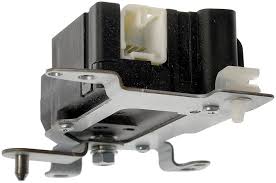
Introduction to HVAC Systems
Heating, Ventilation, and Air Conditioning (HVAC) systems are essential for maintaining comfort and air quality in homes and buildings. They play a crucial role in regulating temperature and humidity levels, ensuring a sustainable indoor environment. With the increasing concerns regarding energy efficiency and air quality, understanding HVAC systems has become increasingly important for homeowners and businesses alike.
Components of HVAC Systems
HVAC systems are composed of several key components. The heating unit, commonly a furnace or boiler, is responsible for generating heat. The ventilation system allows for the exchange of indoor air with outdoor air, improving air quality. Lastly, the air conditioning unit cools air during warmer months. Together, these components work to create a comfortable living or working environment.
Recent Developments in HVAC Technology
The HVAC industry has seen significant advancements in technology, particularly in energy efficiency. Recent developments such as variable refrigerant flow (VRF) systems and smart thermostats allow users to optimize their heating and cooling needs with real-time data. According to the U.S. Department of Energy, the implementation of energy-efficient HVAC systems can reduce energy consumption by 30-50%. Furthermore, HVAC systems equipped with advanced air filtration systems can greatly improve indoor air quality.
Current Trends in the HVAC Market
As of 2023, the HVAC market is witnessing a surge in demand due to the growing emphasis on smart home technologies and environmental sustainability. The integration of Internet of Things (IoT) devices into HVAC systems allows for remote monitoring and control, leading to increased energy savings and user convenience. Additionally, consumers are increasingly interested in environmentally friendly systems, resulting in a rise in the adoption of heat pumps and other low-emission technologies.
Conclusion
In summary, HVAC systems are vital for modern living, influencing comfort levels, indoor air quality, and energy efficiency. As technology continues to evolve and environmental concerns increase, HVAC systems will likely incorporate even more sophisticated features. For consumers and businesses, staying informed about these advancements is essential for making reliable and energy-efficient choices. By prioritizing HVAC maintenance and system upgrades, users can contribute to energy savings and enjoy a healthier indoor environment.