Introduction
In today’s digital landscape, the frequency and sophistication of cyberattacks are on the rise, making incident response plans (IRPs) essential for organizations of all sizes. An IRP is a structured approach for handling and managing security incidents, aiming to minimize damage and recovery time. The significance of having an effective IRP cannot be overstated, especially as businesses increasingly rely on technology and data for their operations.
Understanding Incident Response Plans
An incident response plan outlines the processes and procedures an organization should follow when a security breach occurs. This plan is designed to quickly identify, contain, and remediate incidents, thereby protecting sensitive information and maintaining organizational integrity.
Key Components of an Effective IRP
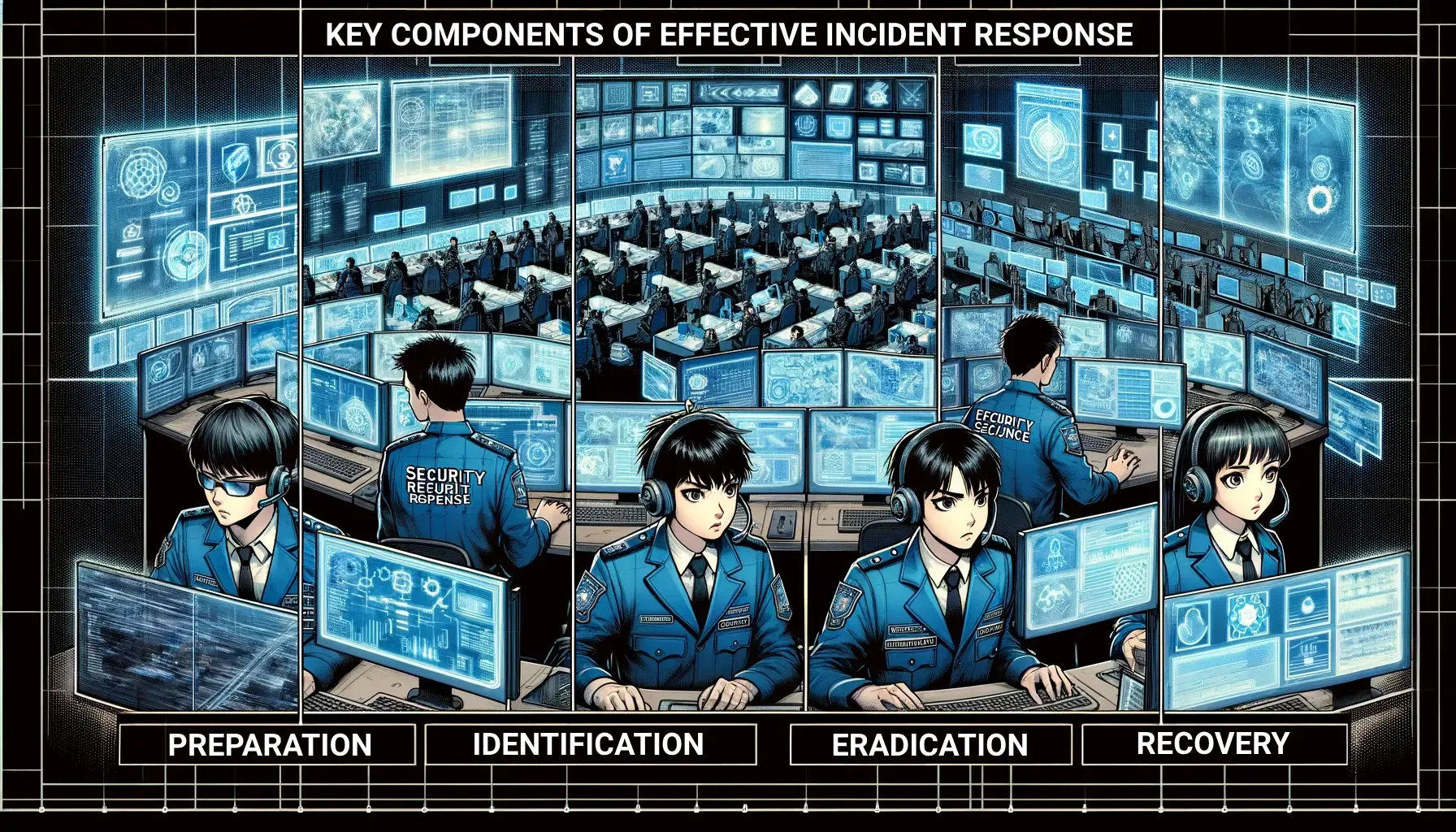
A comprehensive incident response plan typically includes the following components:
- Preparation: Ensuring that teams are trained and resources such as tools and technology are available.
- Identification: Detecting and determining the nature of the incident through monitoring and reporting.
- Containment: Implementing measures to limit the impact of the incident and prevent further damage.
- Eradication: Removing the cause of the incident and any vulnerabilities associated with it.
- Recovery: Restoring systems and operations to normal while maintaining monitoring for any recurring issues.
- Post-Incident Analysis: Reviewing the incident to learn lessons and improve future response efforts.
Recent Developments and Trends
In 2023, prominent security breaches have highlighted the necessity for organizations to not only have incident response plans in place but also to regularly test and update them. According to a report by cybersecurity firm Cybersecurity Ventures, cybercrimes are projected to cost organizations around $10.5 trillion annually by 2025. This grim prediction emphasizes the importance of IRPs as proactive strategies that can mitigate risks effectively.
Moreover, advancements in artificial intelligence and machine learning are being leveraged to enhance incident detection and response capabilities. These technologies enable organizations to analyze vast amounts of data and pinpoint unusual patterns that may signify a security threat.
Conclusion
As cyber threats grow more complex, the necessity of having a robust incident response plan becomes critical for any organization. It not only aids in managing crises but also helps build resilience against future attacks. By investing time and resources into developing and refining their IRPs, organizations can better protect their data, reputation, and operational continuity. Moving forward, companies must prioritize regular training, updating their plans in accordance with evolving threats, and incorporating new technologies to ensure their incident response capabilities remain strong.