Introduction
Consumer Price Index (CPI) and Producer Price Index (PPI) have long been the cornerstones of inflation measurement in the United States. However, the Personal Consumption Expenditures (PCE) inflation data is gaining attention for its comprehensive understanding of consumer spending patterns. The significance of PCE inflation data lies in its role as the Federal Reserve’s preferred inflation gauge, impacting monetary policy decisions and economic forecasts.
Current Trends in PCE Inflation Data
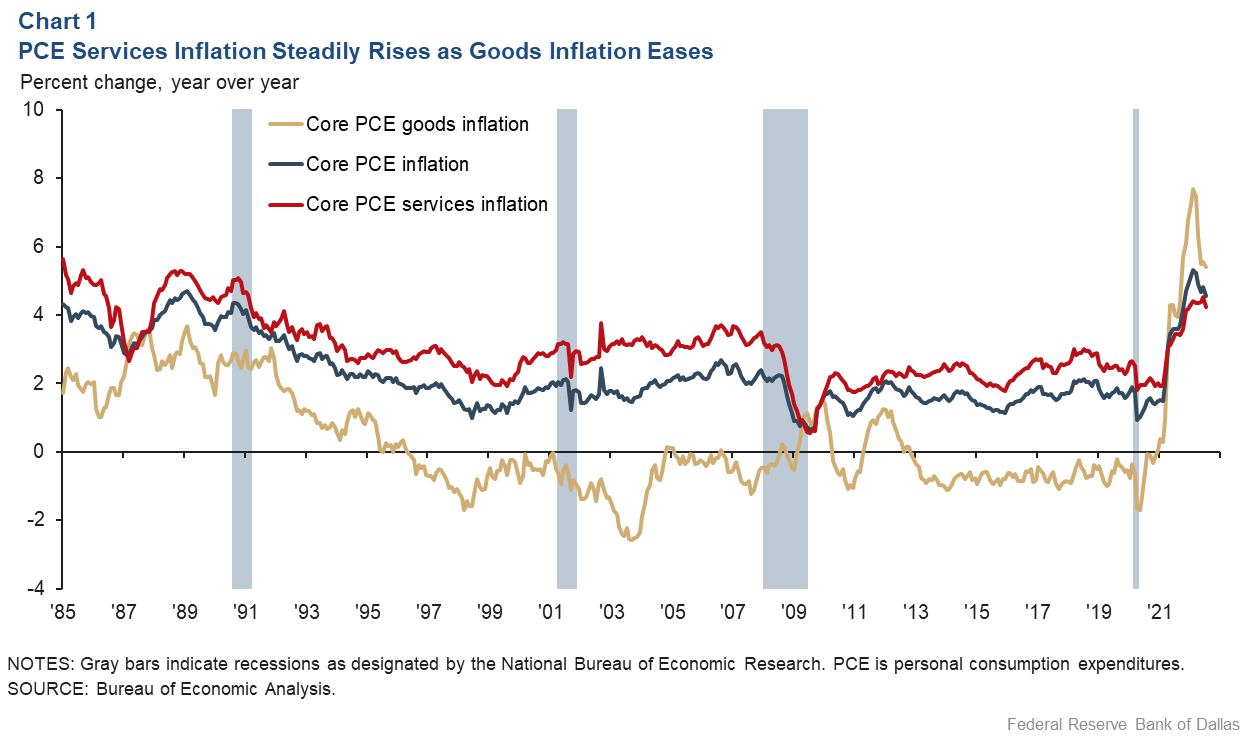
Latest reports reveal that the annual PCE inflation rate stood at 4.3% in September 2023, down from 4.6% in August. This consistent decline has been attributed to easing supply chain issues and falling price pressures in essential commodities. The PCE data includes a broader array of goods and services compared to the CPI, presenting a more accurate reflection of consumers’ spending habits. The core PCE index, which excludes volatile food and energy prices, is particularly crucial for policymakers, coming in at 3.7% year-over-year.
The Role of PCE Inflation Data in Monetary Policy
The Federal Reserve closely monitors PCE inflation data when assessing the overall inflation landscape. Higher than expected PCE inflation figures may prompt the Fed to tighten monetary policy to manage inflation expectations, whereas lower-than-expected figures can lead to a more accommodative stance. As of now, the Fed has maintained interest rates, citing the recent decline in PCE inflation as a sign that inflationary pressures are subsiding. However, continued vigilance is needed as energy price fluctuations could impact future reports.
Implications for Consumers and Investors
PCE inflation data offers valuable insights for both consumers and investors. For consumers, understanding trends can help manage household budgets and spending priorities. For investors, recognizing shifts in inflation can guide investment strategies and asset allocations. Analysts predict that if the decline in PCE inflation persists, we may see a stabilization in interest rates, which could lead to increased consumer spending and investment activity.
Conclusion
The PCE inflation data is a vital metric that influences economic policy and personal finance decisions. As the economy continues to navigate post-pandemic recovery, keeping an eye on inflation trends allows individuals and organizations to act more strategically. With the Fed’s focus on achieving stable prices, future PCE reports will be keenly analyzed to forecast economic health and inform decision-making moving forward.