### Introduction
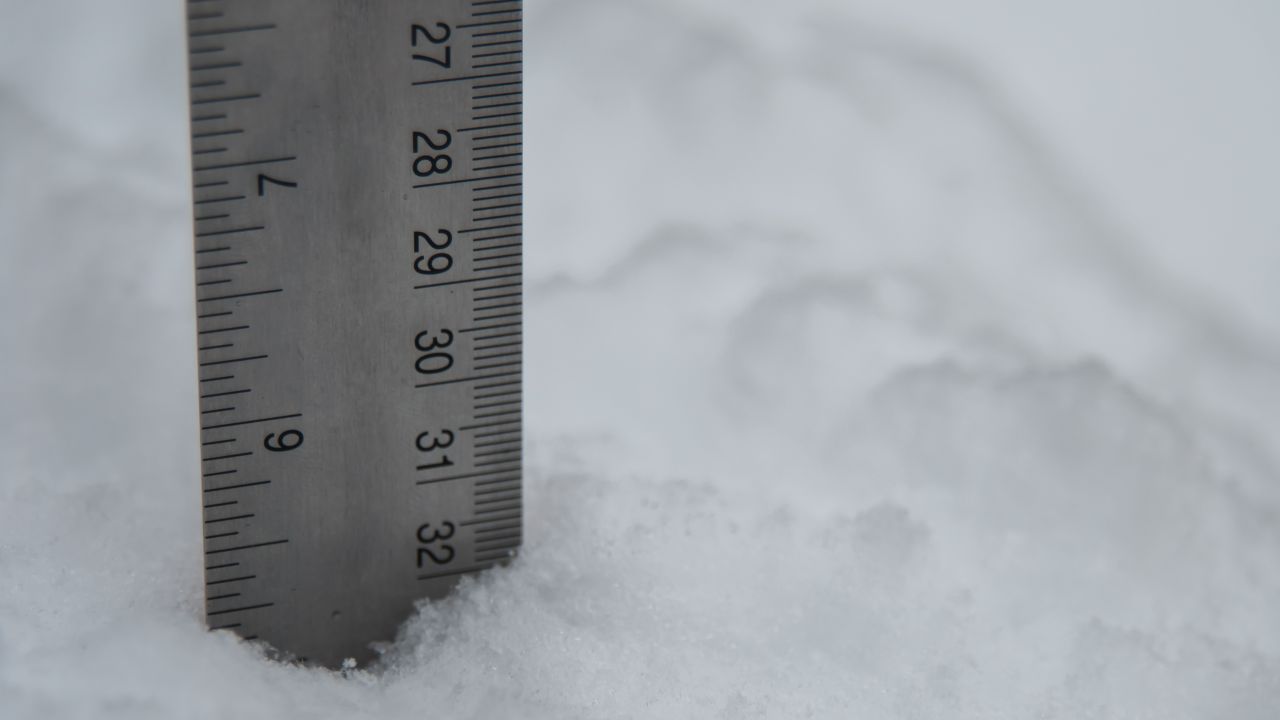
Snow plays a crucial role in our ecosystem, influencing weather patterns, water supply, and recreational activities. With climate change affecting snowfall patterns, understanding the significance of snow is vital for both environmental and economic management.
### The Role of Snow in the Environment
Snow acts as an insulating layer for the earth, protecting soil and plants from extreme temperatures. It also serves as a critical water source when it melts, replenishing rivers, lakes, and groundwater systems. The National Oceanic and Atmospheric Administration (NOAA) emphasizes that winter snowpack is integral to water resource management, especially in regions reliant on snowmelt for agriculture and drinking water.
Additionally, snow-covered landscapes support various ecosystems. Many animals, such as snowshoe hares and lemmings, have adapted to life in snowy environments, and the seasonal cover is essential for their survival.
### Economic Impact of Snow
The economic significance of snow cannot be overlooked, particularly for areas dependent on winter tourism. Ski resorts across the United States generate billions in revenue annually. According to the National Ski Areas Association, the ski industry brought in approximately $20 billion during the 2022-2023 season, providing jobs to over 150,000 individuals.
Moreover, snow also impacts industries outside of tourism. Agriculture relies on snowpack levels, particularly in the western US where melting snow provides much-needed irrigation during the dry months. Farmers closely monitor snow levels as they can predict the availability of water for crops in the upcoming growing season.
### Current Trends in Snowfall
However, recent studies indicate that climate change is altering snowfall patterns across the globe. The Intergovernmental Panel on Climate Change (IPCC) reports that warmer temperatures are leading to reduced snow cover and earlier snowmelt, which can create both drought conditions and flooding. For instance, the Sierra Nevada mountains are experiencing declining snowpack, which could pose challenges for water management in California.
Notably, the National Weather Service has reported fluctuations in snowfall across the United States. While some areas like parts of the Northeast and Midwest have seen above-average snowfall this season, others in the Southwest have reported significantly lower levels, raising concerns in agricultural planning and water supply.
### Conclusion
As we navigate these changing climatic conditions, the significance of snow will continue to be a topic of concern for environmentalists, economists, and policymakers. Effective strategies for managing winter resources and adapting to these changes will be vital to maintaining balance in both natural ecosystems and human economies alike. In conclusion, snow is not just a winter wonder; it is a fundamental component of environmental health and economic stability that deserves our attention and care.