Introduction
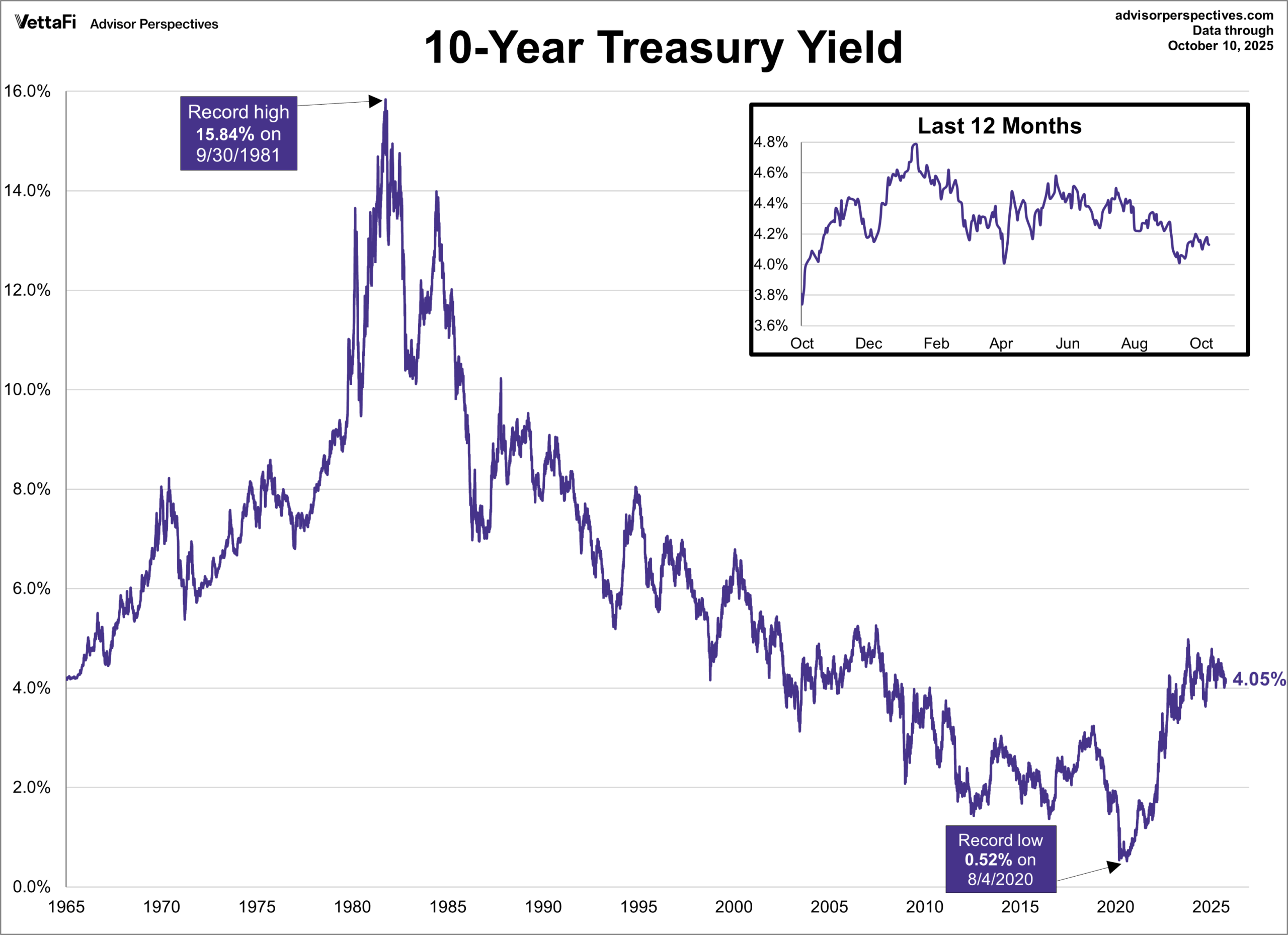
The 10-year treasury yield is a crucial indicator of economic health and investor sentiment. This yield reflects the interest rate paid by the U.S. government to borrow money for a decade, providing insights into future economic growth, inflation expectations, and overall market stability. In recent months, fluctuations in this yield have sparked discussions among economists, investors, and policymakers, making it an essential topic for understanding broader financial trends.
Current Trends and Changes
As of October 2023, the 10-year treasury yield reached a high of 4.55%, a level that many analysts view as reflective of increased inflationary pressures and the Federal Reserve’s ongoing monetary policy adjustments. In contrast, earlier this year, yields hovered around 3.5%, indicating a shift in expectations concerning economic performance and interest rates.
Several factors contribute to the rising yields. First, persistent inflation has prompted the Federal Reserve to maintain a tightened interest rate stance, which directly influences treasury yields. Second, the strong job market and resilient consumer spending have led to speculation that the economy is more robust than initially anticipated, further pushing yields upward.
Impact on the Economy and Investors
The implications of the 10-year treasury yield spread beyond the bond market. Higher yields tend to lead to increased borrowing costs for individuals and businesses. For instance, as yields rise, mortgage rates typically follow suit, potentially cooling the housing market and overall consumer spending. Additionally, higher yields can make government debt more attractive compared to stocks, influencing asset allocation strategies among institutional and retail investors alike.
Moreover, the increased yield reflects growing confidence in long-term growth while also raising concerns about affordability and economic sustainability. Investors often watch the yield closely for signals regarding the Federal Reserve’s next moves, as well as broader economic signals that can influence their investment choices.
Conclusion
In summary, the 10-year treasury yield is a vital economic indicator that can influence various sectors of the economy, from housing to corporate investments. As we move forward, investors and economists will closely monitor trends in the yield to assess potential future changes in monetary policy and economic growth. With ongoing discussions about inflation and interest rates, understanding the dynamics of the 10-year treasury yield will be essential for navigating today’s complex financial landscape.