Introduction
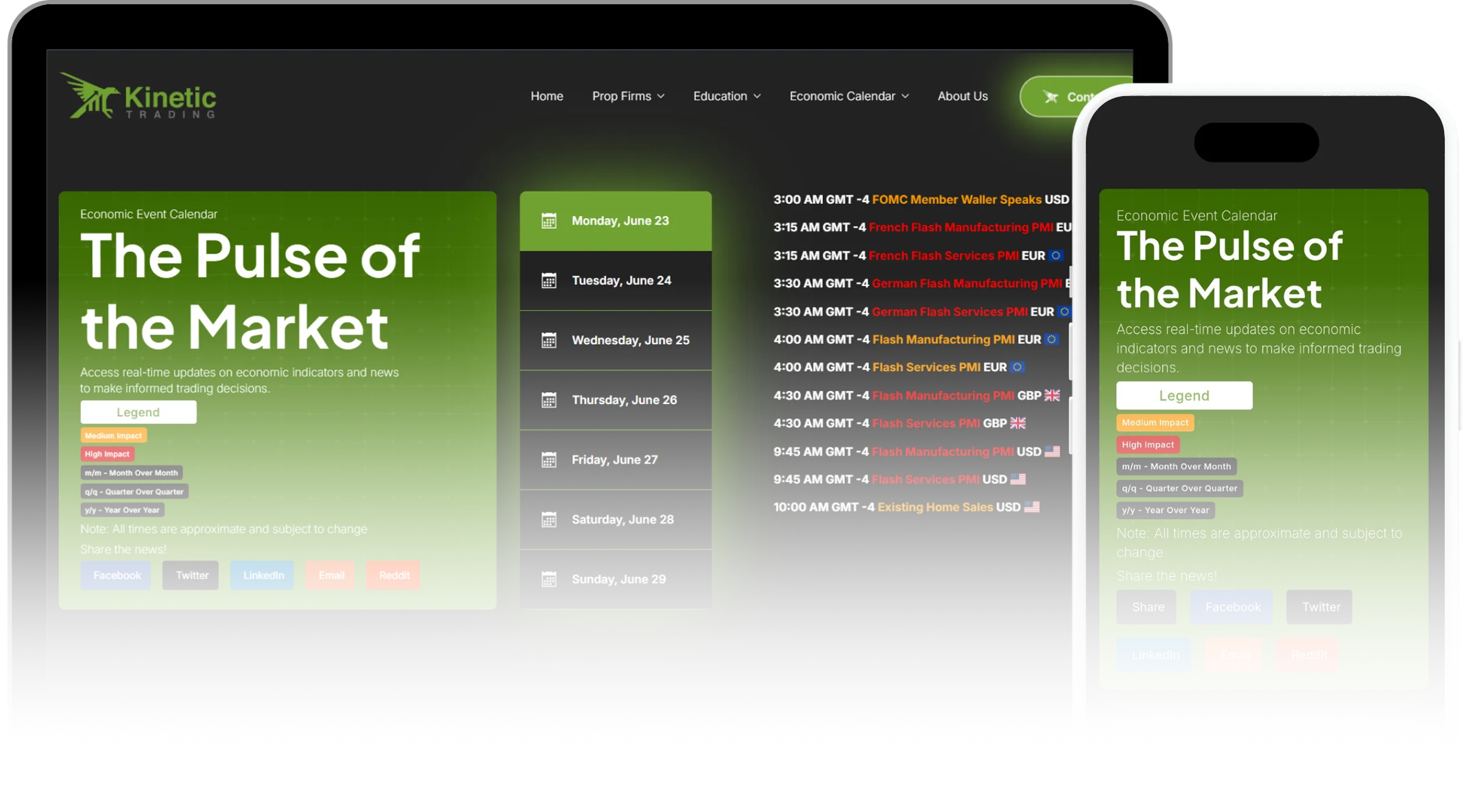
The economic calendar serves as a vital tool for investors, traders, and financial analysts aiming to grasp the pulse of the economy. It outlines key economic events, including data releases and indicators that can significantly impact financial markets. With ongoing global financial fluctuations resulting from geopolitical tensions, inflation rates, and central bank policies, understanding how to utilize an economic calendar is more relevant than ever.
Key Components of an Economic Calendar
An economic calendar usually features important data releases such as Gross Domestic Product (GDP), employment figures, interest rates, inflation statistics, and central bank announcements. Each entry comes with detailed information, including the scheduled date, time, previous results, and consensus forecasts from analysts. For example, a notable release on U.S. employment figures can heavily influence both the stock market and currency valuations.
Current Events Impacting the Economic Calendar
As of October 2023, one of the critical upcoming releases on the U.S. economic calendar is the Consumer Price Index (CPI), scheduled for later this month. Analysts are closely watching this data as it provides insights into inflation trends, which many economists regard as a crucial indicator for Federal Reserve monetary policy decisions. Subsequently, a significant rise in the CPI may lead to expectations of tighter monetary policy, affecting interest rates and market behaviors.
Additionally, the Federal Open Market Committee (FOMC) meeting is anticipated during the same period, where the committee will discuss potential interest rate changes in response to the economic data. The interplay between these calendar events illustrates how traders prepare their strategies based on this information, capitalizing on market volatility.
Conclusion
In conclusion, the economic calendar is an indispensable resource for navigating today’s complex financial landscape. As economic data continues to fluctuate amid various external pressures, staying updated with the calendar allows market participants to make informed decisions. Analysts predict that as we approach the end of the year, fluctuations in major economic indicators like inflation and employment will continue to sway financial markets, making the timely analysis of the economic calendar crucial for anyone involved in investment strategies and market forecasts.