Introduction
The price of gold has always been a critical indicator of economic stability, inflation rates, and geopolitical tensions. In recent years, the gold price chart has gained increased relevance, as investors look for measurable data to navigate uncertain markets. As COVID-19 and global conflicts have disrupted economies, understanding the movements in gold prices has become essential for both seasoned investors and newcomers alike.
Current Trends in Gold Prices
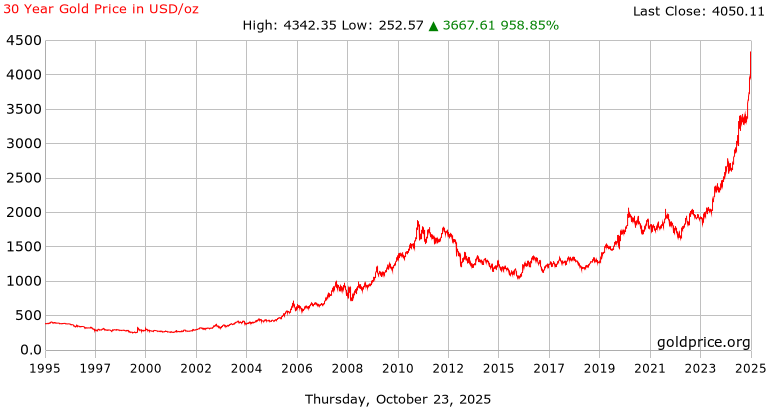
As of early October 2023, gold prices have experienced significant fluctuations, affected by various factors including inflation rates, interest rate changes, and investment demand. The latest gold price chart indicates a notable rise, currently priced around $1,900 per ounce. This is in response to rising inflation and the potential for further economic instability.
Recently, the Federal Reserve’s stance on interest rates has caused investors to re-evaluate their positions in gold as a safe-haven asset. As uncertainty looms over stock markets and tensions rise in different parts of the world, many are turning to gold, reflected in the increased demand shown on the gold price chart.
Key Factors Influencing Gold Price
- Inflation: Gold is often viewed as a hedge against inflation. As prices for goods and services continue to rise, investors flock to gold to preserve their purchasing power.
- Economic Data: Reports on employment, manufacturing, and consumer spending can influence perception regarding the economy’s health, subsequently impacting gold prices.
- Geopolitical Stability: Events such as conflicts or political unrest lead investors to seek safety in gold, often driving prices upward.
Future Predictions and Significance
Looking ahead, analysts forecast continued volatility in the gold market. Factors such as changing monetary policies and international relations will likely play a significant role in shaping the gold price chart. While some experts predict a potential rise to $2,000 per ounce, others advise caution, warning of corrections due to overvaluation.
For investors, understanding the gold price chart not only provides insights into market trends but also helps in making informed decisions regarding asset allocations. With the continuing uncertainty in global markets, a well-analyzed gold price chart can serve as a strategic tool for navigating investments and safeguarding wealth.
Conclusion
In conclusion, the gold price chart remains a vital reference for evaluating market trends, inflation risks, and investment strategies. As economic factors continue to shift, it is imperative for investors to monitor these changes and utilize the gold price chart to enhance their investment approaches.