Introduction
The national grid represents a critical infrastructure system that encompasses the electric power transmission network throughout the United States. It plays a vital role in ensuring that electricity generated from various sources reaches homes and businesses efficiently and reliably. As the country transitions towards renewable energy sources and faces challenges like climate change and rising demands for energy, understanding the national grid’s complexities is more important than ever.
Current State of the National Grid
As of 2023, the national grid is managed by three main interconnections: the Eastern Interconnection, the Western Interconnection, and the Electric Reliability Council of Texas (ERCOT). According to the U.S. Energy Information Administration (EIA), the grid has an impressive capacity of over 1,000 gigawatts, powering millions of households across the nation.
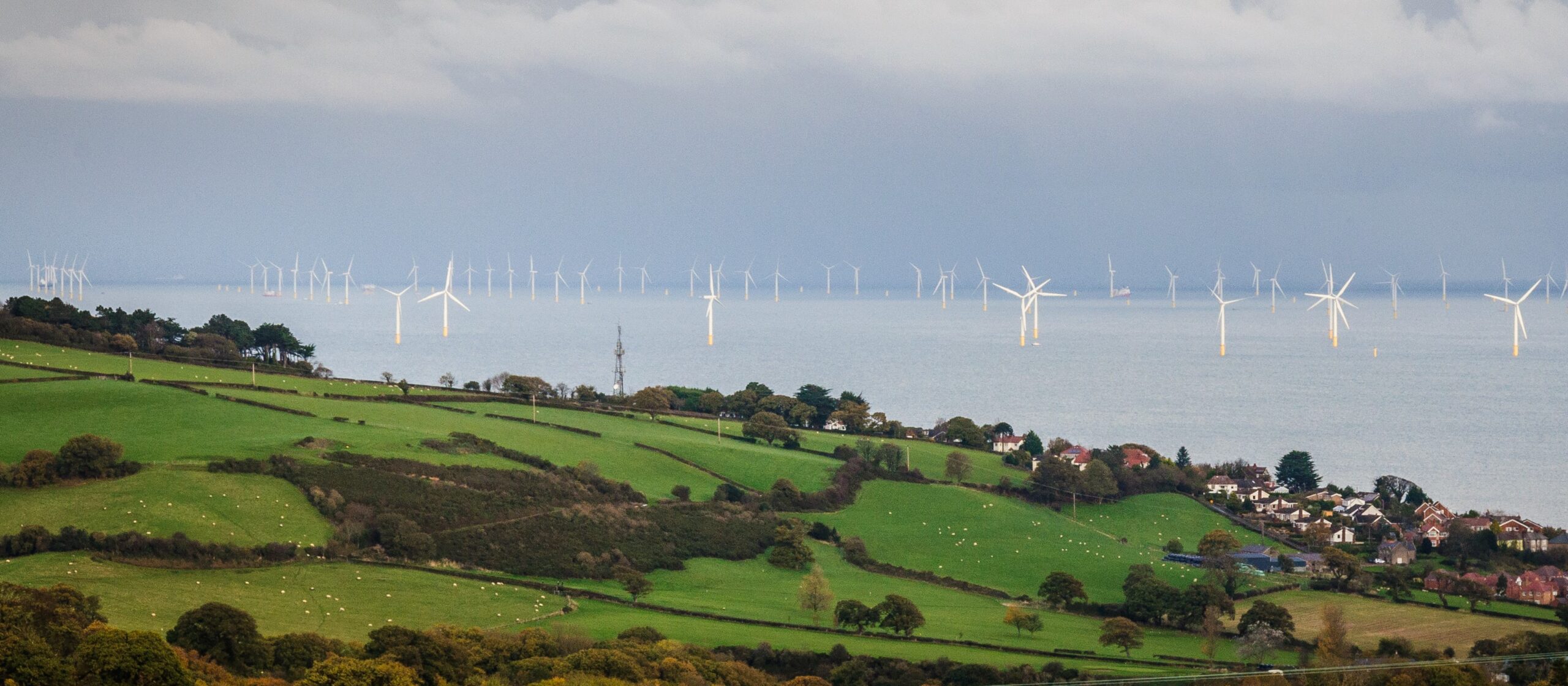
Recent reports indicate that the integration of renewable energy sources like wind and solar is increasing, with renewables accounting for about 28% of total electricity generation in the first half of 2023. However, the national grid must evolve to accommodate these changes. Aging infrastructure and the need for upgrades are pressing issues that must be addressed to improve reliability and efficiency.
Recent Developments
In September 2023, the U.S. Department of Energy announced a new initiative aimed at modernizing the national grid. This initiative includes investment in smart grid technology, which enhances communication and control systems within the transmission network. These advancements can lead to better management of energy loads and the integration of distributed energy resources, such as electric vehicles and home solar systems. National grid enhancements and investments will also facilitate the transition to clean energy and help reduce greenhouse gas emissions.
Conclusion
The future of the national grid is crucial for the sustainability of the U.S. energy landscape. As the country continues to pursue ambitious climate goals, investments in technology and infrastructure upgrades will be essential. With the anticipated advancements, the national grid will not only improve energy reliability but also play a key role in the shift toward a greener future. For consumers, this means a more resilient energy supply, lower costs over time, and reduced environmental impact, making it imperative for them to stay informed about ongoing developments.