Introduction
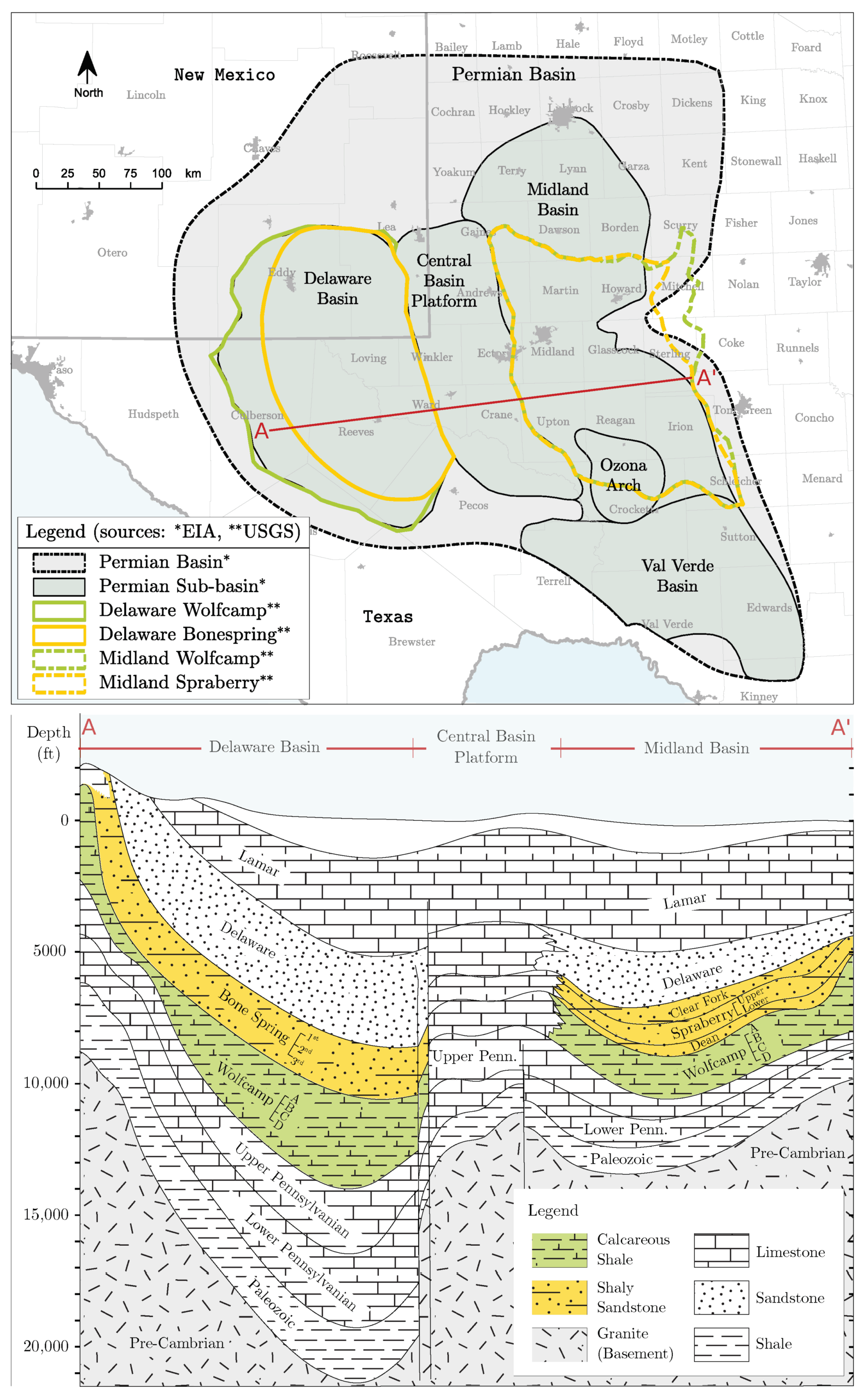
The Permian Basin, situated in West Texas and Southeastern New Mexico, stands as one of the most significant oil-producing regions in the United States. Its relevance to the American economy and the global energy market cannot be underestimated, especially in the wake of fluctuating oil prices and shifting energy policies. In 2023, the Permian Basin continues to play a pivotal role in the U.S. energy production strategy, making it essential to understand its current state and future implications.
Current State of the Permian Basin
As of early 2023, the Permian Basin has reached a significant milestone, with production levels surpassing 5 million barrels of crude oil per day. According to the U.S. Energy Information Administration (EIA), the basin accounts for nearly 43% of total U.S. oil production and remains central to America’s energy independence strategy. The region’s diverse geological formations and significant reserve quantities have attracted substantial investment and technological advancements, leading to more efficient extraction methods.
Technological Advances and Environmental Considerations
Innovations in hydraulic fracturing (fracking) and horizontal drilling have revolutionized the oil extraction process in the Permian Basin. Companies like Pioneer Natural Resources and EOG Resources are pioneering techniques that enhance production while minimizing costs. However, the growth in extraction activities has raised environmental concerns, especially regarding water usage and methane emissions. Recently, state and federal regulations have begun to emphasize more sustainable practices to address these challenges.
Future Projections
Looking ahead, analysts predict that production from the Permian Basin will continue to rise, driven by both domestic and international demand for oil. The International Energy Agency (IEA) forecasts that the basin could potentially add up to 1 million barrels per day by 2025, contingent upon market conditions and regulatory frameworks.
Conclusion
The Permian Basin remains a cornerstone of the U.S. energy landscape, significantly impacting both local economies and the global oil market. Its future seems bright but will heavily depend on balancing economic growth with environmental sustainability. For investors, policymakers, and industry stakeholders, staying informed about developments in the Permian Basin is crucial as it shapes the energy narrative for years to come.