Introduction
The US Mint plays a critical role in the American economy by producing the nation’s coinage. Established in 1792, the Mint has evolved over the centuries to meet the changing demands of commerce and banking in the United States. Understanding its history and operations is essential, as it not only crafts coins for everyday transactions but also produces collector’s items that promote numismatic heritage.
History of the US Mint
Originally created to establish a uniform currency, the US Mint was first set up under the Coinage Act of 1792. The first mint facility was located in Philadelphia, which served as the nation’s capital at the time. As the country expanded, new mints opened in various states, allowing locally produced coins to circulate more effectively. Today, the Mint operates several facilities across the country, including the West Point Mint in New York, the Denver Mint, and the San Francisco Mint.
Current Operations
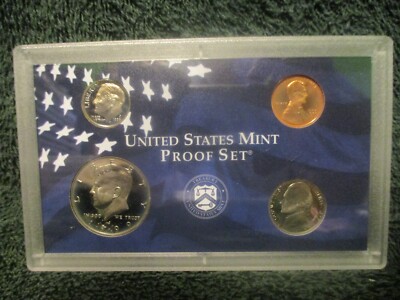
The US Mint’s primary responsibilities include producing circulating coins for the nation’s commerce, manufacturing numismatic products such as proof, uncirculated, and commemorative coins, and producing Congressional Gold Medals and silver, gold, and platinum bullion coins. In 2022, the Mint reported having produced over 11 billion coins for circulation, reflecting the growing need for physical currency despite the increasing digital transactions in the economy.
The Mint also ensures the quality and integrity of its products, employing advanced technology and strict processes to monitor production. In recent years, they have introduced new designs to the quarter series to celebrate the diversity of American culture, showcasing a wide array of historical figures and cultural symbols.
Significance and Challenges
The US Mint’s significance extends beyond merely producing coins; it plays a vital role in the financial literacy and education of the public. By issuing commemorative coins, the Mint fosters a deeper connection to history and culture, making numismatics an engaging hobby for many.
However, the Mint faces challenges as the shift towards digital payments continues to grow. As cash transactions decline, debates over the future of coin production have arisen. Discussions are ongoing concerning whether some denominations should be phased out or if new technology should be adopted to improve efficiency.
Conclusion
The US Mint remains a cornerstone of American monetary policy, a proud custodian of the nation’s coinage, and a promoter of cultural heritage through its numismatic efforts. As we move further into a cashless society, the Mint will need to adapt to changing trends while retaining its mission to provide a secure and reliable currency. For readers, understanding the Mint’s role offers a glimpse into the historical and ongoing dynamics of the U.S. economy.