Introduction
Weather radar technology plays a crucial role in modern meteorology, providing accurate real-time data essential for weather forecasting and public safety. As severe weather events become more frequent due to climate change, understanding how weather radar works helps us comprehend its significance in early warning systems for storms, hurricanes, and floods.
How Weather Radar Works
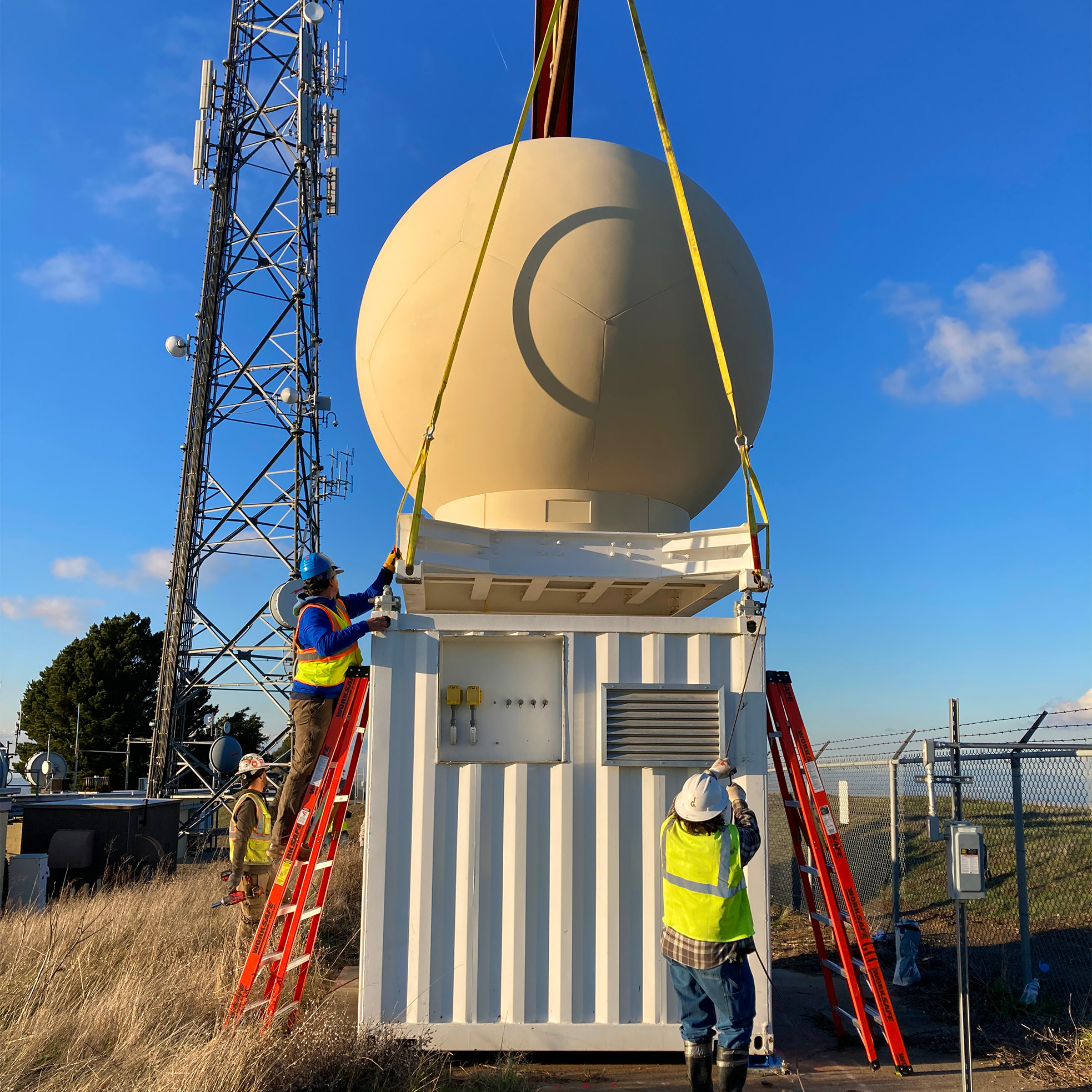
Weather radars operate by emitting radio waves that bounce off precipitation particles in the atmosphere. By measuring the time it takes for these waves to return, meteorologists can determine the distance and intensity of rainfall, snow, or hail. Doppler radar, a more advanced form, can also measure wind speed and direction, enabling the detection of severe storms and tornadoes.
Recent Developments in Weather Radar
In recent months, weather radar technology has seen significant advancements. The National Oceanic and Atmospheric Administration (NOAA) announced it is enhancing its radar network with enhanced algorithms to improve detection capabilities. For instance, faster imaging technologies are being implemented, allowing meteorologists to track fast-developing weather systems with greater precision.
Moreover, the integration of weather radar data with other technologies, like satellite imagery and geographic information systems (GIS), has transformed meteorological analysis. This multi-faceted approach allows for better forecasting accuracy, particularly in predicting severe weather events like thunderstorms and tornadoes.
The Impact of Weather Radar on Public Safety
Weather radar is critical for public safety, providing authorities with timely information to issue warnings and advisories. For example, local weather stations can utilize radar data to alert communities in real-time about impending severe weather conditions. Proper dissemination of this information can lead to better preparedness and reduced casualties during natural disasters.
Conclusion
As climate change continues to influence weather patterns around the globe, the importance of weather radar will only grow. Communities will continue to rely on this technology for accurate forecasts and timely warnings to protect life and property. Investments in weather radar advancements will enhance our ability to predict, respond, and adapt to an ever-changing climate, securing a safer future for everyone.