Introduction
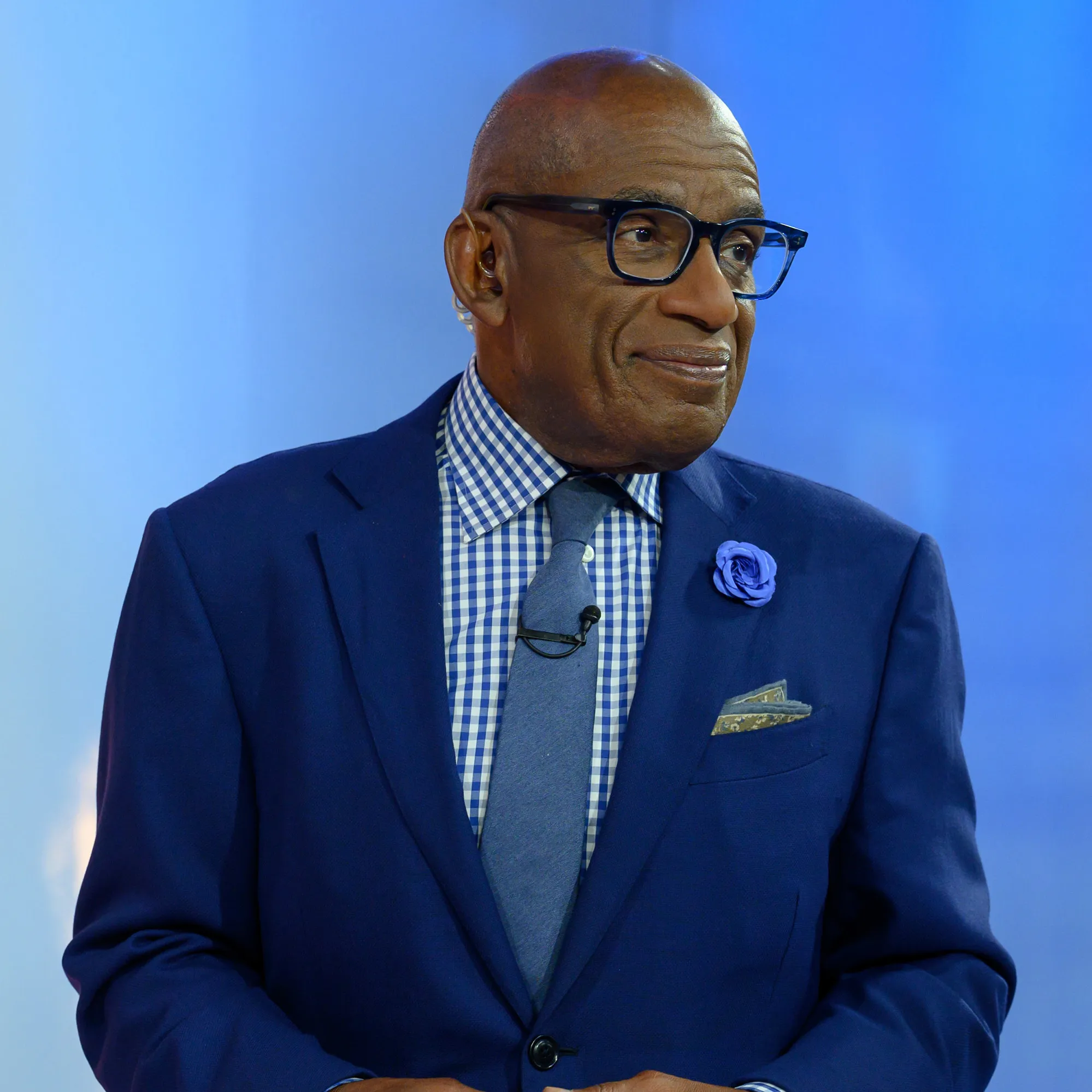
Al Roker, the iconic American weatherman and television personality, has cemented his place in the hearts of viewers for decades. His engaging style and down-to-earth presentation have made him a beloved figure on morning television. As he continues to evolve in his career, Roker remains relevant in the fast-paced world of broadcast media, illustrating the importance of adaptability in the industry.
Career Overview
Roker’s career began in 1974 when he joined a local television station in Syracuse, New York. He quickly gained recognition for his ability to present the weather with clarity and a touch of humor. In 1996, he joined NBC’s “Today” show, where he became the show’s weather anchor. His pioneering role as an African American male meteorologist on national television paved the way for more diversity in the field.
In addition to weather reporting, Roker has hosted various programs, including the Macy’s Thanksgiving Day Parade and the annual Rockefeller Center Christmas Tree Lighting. His work has earned him numerous awards, including multiple Emmy Awards, recognizing his contributions to broadcasting.
Recent Developments
In recent months, Roker has returned to television following a health scare that resulted in hospitalization due to blood clots. His fans and colleagues rallied in support, showcasing the compassion and community spirit that Roker has fostered throughout his career. He made a triumphant return to the “Today” show, expressing gratitude for the well-wishes he received during his recovery. This event highlighted the fear and uncertainty many face regarding health issues, but also the resilience that Roker embodies.
Conclusion
Al Roker’s legacy goes beyond weather reporting; he represents the power of positivity, perseverance, and authenticity. As he continues his journey in television, audiences can expect to see more of his engaging presence and inspiring stories. Roker’s ability to adapt to changing circumstances—whether in topics, technology, or personal challenges—seems to ensure a bright future ahead. For viewers, Roker is not just a weatherman; he is a trusted friend who has provided comfort and joy through his work. Looking forward, it will be interesting to observe how Roker continues to influence American television while inspiring future generations of broadcasters.