Introduction
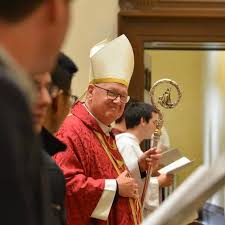
Cardinal Timothy Dolan is a prominent figure in the Catholic Church and serves as the Archbishop of New York. His role is crucial not only within the ecclesiastical structure but also in the broader context of American society. His public presence, advocacy on social issues, and engagement with the community have made him a recognized leader in the church, especially in light of recent events impacting the Catholic faith.
Background
Cardinal Dolan was appointed Archbishop of New York in 2009, later elevated to Cardinal in 2012 by Pope Benedict XVI. Known for his charismatic personality and approachable demeanor, he has fostered a welcoming atmosphere within the archdiocese. Through various initiatives, Dolan emphasizes the importance of community service, education, and outreach to marginalized populations.
Recent Engagements
In recent months, Cardinal Dolan has been actively involved in addressing the challenges facing the Catholic Church, particularly around issues of sexual abuse, clergy accountability, and church attendance post-pandemic. His January 2023 address at the annual Archdiocesan Convocation focused on fostering transparency and healing within the Church, emphasizing the need for a renewed commitment to safeguarding practices.
Additionally, Dolan has made headlines with his advocacy for social justice issues, including immigration reform and poverty alleviation. His participation in recent interfaith dialogues highlights his belief in collaboration to address societal challenges, aiming to unite different faiths around common goals.
Conclusion
As Cardinal Dolan continues to navigate the complexities facing the Catholic Church today, his influence and actions remain significant. His ability to communicate effectively and engage with both the faithful and the wider public positions him as a key figure in shaping the future of the Church in America. With challenges ahead regarding church attendance and social issues, many are looking to his leadership for guidance as the Church seeks to evolve and respond to the needs of its congregation in a changing society.