Introduction
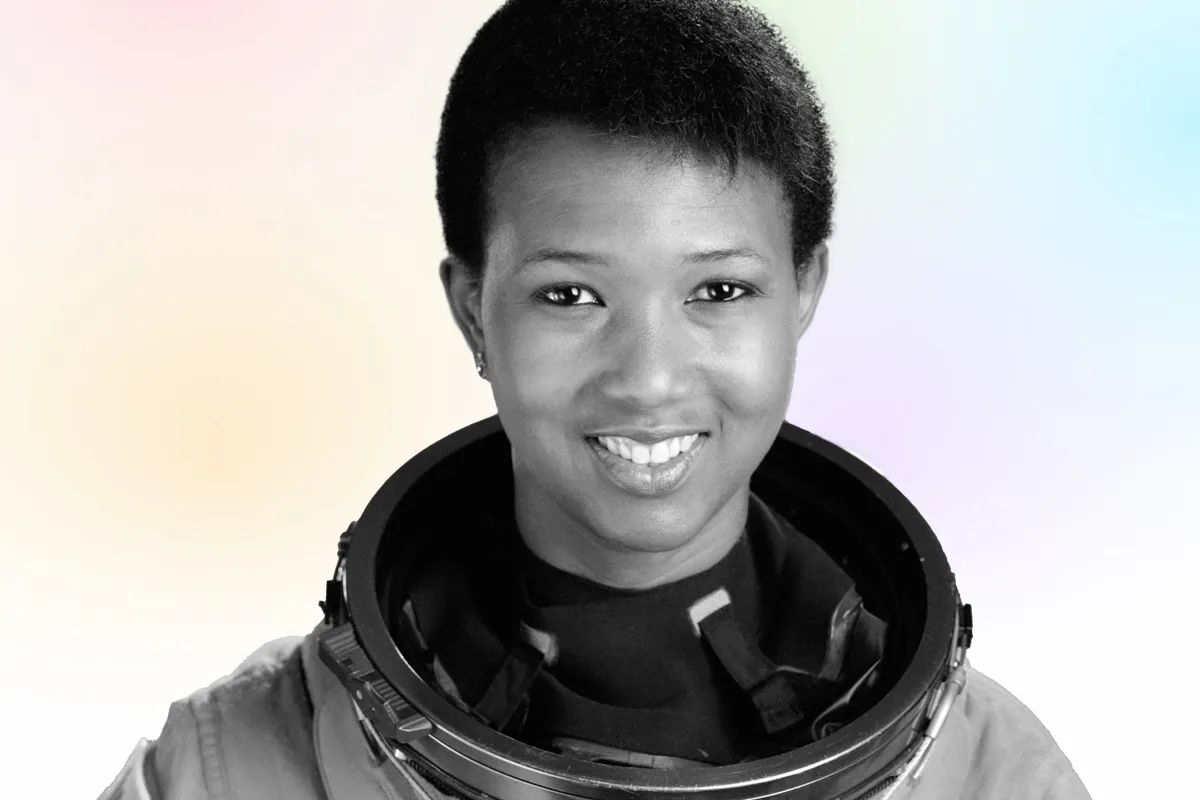
Mae Jemison is not just a name in the annals of space history; she represents a breakthrough in the quest for diversity in STEM (Science, Technology, Engineering, and Mathematics) fields. As the first African American woman to travel in space, her achievements have solidified her status as a role model for future generations. Jemison’s journey is not only a celebration of aspirations fulfilled but also a reminder of the importance of representation in science and technology.
Breaking Barriers
Born on October 17, 1956, in Decatur, Alabama, Mae Jemison showed a passion for science from a young age. She earned her Bachelor of Science degree in Chemical Engineering from Stanford University and later obtained her Doctor of Medicine from Cornell University. Jemison’s career took a pivotal turn when she was selected for NASA’s astronaut program in 1987, overcoming the barriers of race and gender in a predominantly white and male industry.
On September 12, 1992, Mae Jemison flew aboard the Space Shuttle Endeavour as a Mission Specialist in NASA’s STS-47 mission. During this time, she conducted experiments on weightlessness that contributed valuable knowledge to scientific research. Her successful journey into space remains a historic milestone, emphasizing the importance of diversity in representation in STEM careers.
Advocacy and Influence
After leaving NASA in 1993, Jemison continued to be a passionate advocate for science education and the importance of inspiring young minds—especially girls and children of color—to pursue careers in science. In 1994, she founded the Jemison Group, which develops projects that advocate for the advancement of science and technology. Her efforts aim to bridge the gap between science, technology, and social issues.
In recent years, Jemison has emphasized the urgency of sustainability and the ethical implications of scientific exploration. Through public speaking, educational initiatives, and community outreach, she inspires young scholars to explore the realms of possibility in science and beyond.
Conclusion
Mae Jemison’s enduring legacy is a beacon of hope for many aspiring scientists. By breaking through ceilings and advocating for equality in STEM fields, she has not only opened doors for herself but has also paved the way for countless individuals who will follow in her footsteps. As we look to the future, Mae Jemison’s journey reminds us of the significance of nurturing diverse voices in science and the importance of education in shaping innovative leaders of tomorrow.