Introduction
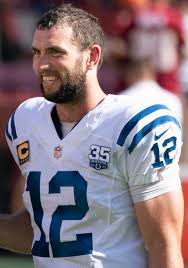
Andrew Luck, the former quarterback for the Indianapolis Colts, is a significant figure in professional football. Selected as the first overall pick in the 2012 NFL Draft, Luck’s combination of talent and intellect changed the dynamics of the league. His career, although shorter than anticipated, left an indelible mark on the NFL and has sparked discussions about player health, mental well-being, and the future of the game.
Career Highlights
Andrew Luck played a crucial role in revitalizing the Indianapolis Colts. With a powerful arm and exceptional football IQ, he quickly became one of the league’s brightest stars. Over his career, Luck led the Colts to four Pro Bowl selections and set numerous franchise records, including most passing yards in a single game (among others). His leadership qualities helped guide the team to a playoff victory in 2018, demonstrating his ability to perform under pressure.
Retirement and Its Impact
In a surprising announcement made in August 2019, Luck declared his retirement from the NFL at the age of 29. Citing persistent injuries and the toll they took on his mental and physical wellbeing, his decision sent shockwaves throughout the sports community. Fans, teammates, and analysts expressed a mix of admiration for his courage and sadness over what could have been. Luck’s retirement not only highlighted the intense physical demands of professional football but also paved the way for conversations about player safety and mental health within the sport.
Legacy and Future
Despite his early retirement, Andrew Luck’s influence on the NFL remains substantial. He is often cited in discussions about quarterback development and the importance of mental health in sports. As the NFL evolves, Luck’s journey serves as a reminder that the well-being of players must be a priority. He has remained relatively private since retirement, but his passion for football is evident, as he has participated in various charitable efforts and public speaking engagements to support mental health initiatives.
Conclusion
Andrew Luck’s departure from professional football may have left fans wanting more, but his legacy will continue to resonate in the NFL. His story emphasizes the importance of mental health and the need for ongoing conversations about player safety. As future athletes enter the league, they will undoubtedly look back at Luck’s career for lessons learned, advocating for a balance between sports performance and personal well-being. The significance of Andrew Luck transcends his statistics on the field; it lies in the awareness he raised that the game, while exceptionally demanding, must also prioritize the health of those who play it.