Introduction
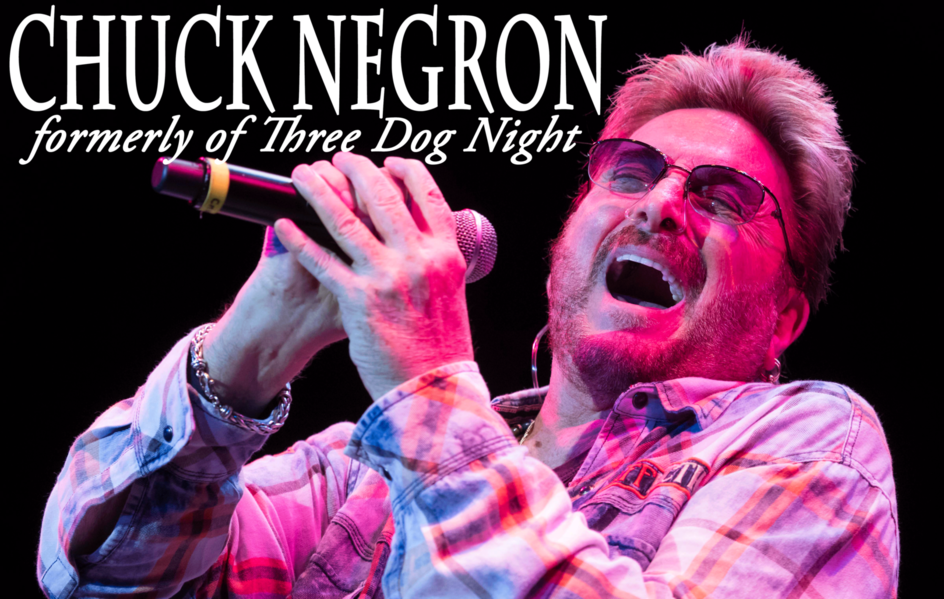
Chuck Negron, best known as a lead vocalist for the iconic band Three Dog Night, has experienced a vibrant and tumultuous life that reflects the changing tides of American music. As a multi-talented artist, he’s not only contributed to rock music’s popularity in the 1970s but has also become a beacon of resilience, overcoming personal struggles and addiction. Understanding Negron’s significance in the music industry not only sheds light on the era in which he thrived but also illustrates the importance of mental health and recovery in the entertainment field.
Early Life and Musical Rise
Born on June 8, 1942, in New York City, Negron’s passion for music emerged early. After moving to Los Angeles, he gained notoriety as a member of Three Dog Night, a band that dominated the charts with hits like “Joy to the World,” “Mama Told Me Not to Come,” and “One.” Their unique blend of rock, pop, and soul led to numerous accolades and a place in the hearts of millions during the 1970s. The trio sold over 50 million records worldwide, showcasing Negron’s powerful vocals and charismatic stage presence.
Struggles with Addiction
While fame brought Negron success, it also led to significant challenges. The pressures of stardom and personal problems drove him towards substance abuse, which ultimately resulted in his departure from the band in 1975. Negron’s struggles with addiction served as a harsh reminder of the darker side of fame. However, his journey to recovery began when he ultimately sought help and embraced sobriety, realizing the toll that addiction had taken on his life.
Redemption and Legacy
After overcoming his addiction, Negron focused on rebuilding his life and career. He published his memoir, “Three Dog Nightmare,” which chronicles his trials and serves as an inspiration for others facing similar battles. Currently, Chuck Negron continues to perform, sharing his music and story with a new generation, thereby extending his legacy far beyond his music from the past.
Conclusion
Chuck Negron’s life exemplifies both the highs and lows of the music industry. His journey from a beloved rock star to a man who faced personal demons and emerged victorious resonates with many. As music continues to evolve, Negron’s story reminds us of the importance of mental health, the struggle against addiction, and the possibility of redemption. His contributions to the world of music and his personal evolution not only highlight the impact of rock music but inspire hope and change within the industry and beyond.