Introduction
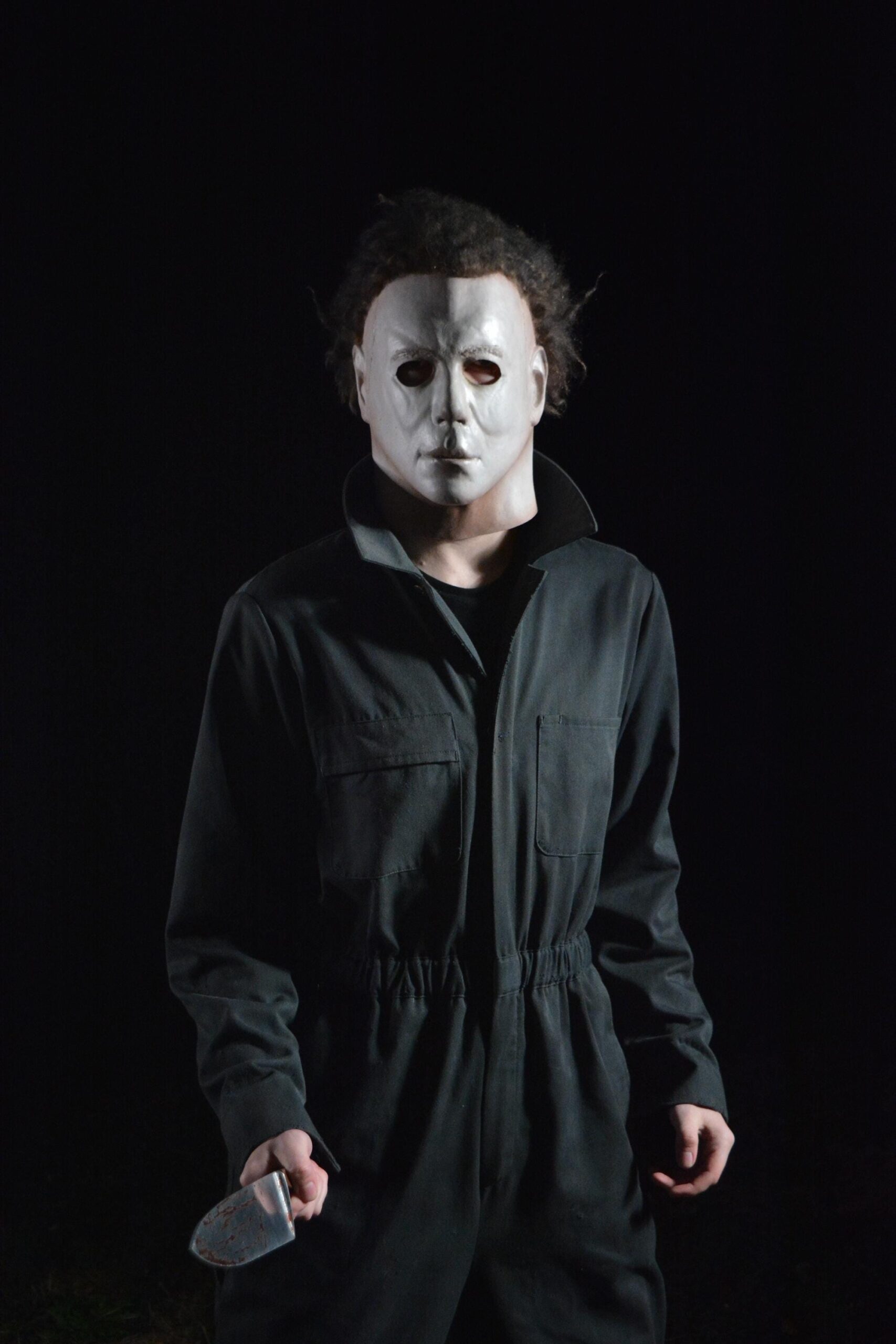
The release of Halloween in 1978 marked a pivotal moment in the history of horror films. Directed by John Carpenter, this iconic thriller not only redefined the slasher genre but also introduced audiences to the archetypal character of Michael Myers. The film’s success has influenced countless other movies and filmmakers, and its elements continue to resonate in contemporary horror.
Overview of Halloween 1978
Halloween was produced on a shoestring budget of approximately $300,000 and grossed over $70 million worldwide, making it one of the most profitable independent films of its time. The storyline revolves around Michael Myers, a psychotic killer who escapes from a mental institution on Halloween night, returning to his hometown of Haddonfield to terrorize babysitter Laurie Strode, portrayed by Jamie Lee Curtis in her breakthrough role.
Key Elements of the Film
One of the film’s standout features is its suspenseful score, composed by Carpenter himself, which has become synonymous with horror. The minimalist approach to music heightens tensions and creates an unsettling atmosphere. Furthermore, Halloween is notable for its innovative use of cinematography, which employs techniques like the ‘point-of-view’ shot to create a more immersive experience for viewers.
The Cultural Impact
Halloween’s influence transcends the cinematic realm, seeping into popular culture as well. The film not only spawned a franchise with numerous sequels and remakes but also convinced studios to invest heavily in horror films. It paved the way for subsequent successful slasher films in the late 1970s and 1980s, including the Friday the 13th and Nightmare on Elm Street franchises.
Legacy and Recognition
Over the years, Halloween has garnered critical acclaim for its innovative storytelling and artistic direction. In 2006, it was selected for preservation in the U.S. National Film Registry by the Library of Congress, recognizing it as a culturally, historically, or aesthetically significant work. The film’s enduring status in the horror genre cannot be overstated; it continues to inspire a new generation of filmmakers and fright fans alike.
Conclusion
As Halloween approaches, fans of the genre reflect on the profound impact that the 1978 film has had on horror cinema. Its masterful blend of suspense, iconic character development, and unforgettable score has solidified its place as a cultural touchstone in horror films. With ongoing sequels and remakes, the legacy of Halloween 1978 remains strong, capturing the imaginations of audiences across generations. For those interested in the evolution of horror, understanding the significance of Halloween 1978 is crucial, as it serves as a foundation for many films that followed.