Introduction
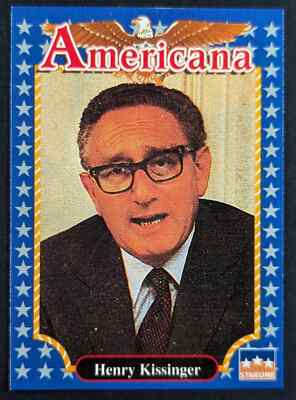
Henry Kissinger, the former U.S. Secretary of State and National Security Advisor, remains one of the most significant figures in modern diplomacy. His strategies and decisions during Cold War tensions shaped not only U.S. foreign policy but also global geopolitical dynamics. As geopolitical tensions resurface today, understanding Kissinger’s legacy offers crucial insights into contemporary politics and international relations.
Kissinger’s Diplomatic Journey
Kissinger served under President Richard Nixon from 1969 to 1974, playing a key role during critical events such as the Vietnam War and China’s opening to the West. His approach emphasized realpolitik, a pragmatic system of politics focused on practical and material factors rather than moral or ideological considerations. This method led to a groundbreaking rapprochement with China, which drastically altered the balance of power in the world.
In recent years, Kissinger has continued to offer insights into modern diplomacy, even into his 100th year. His views on the Ukraine-Russia conflict, U.S.-China relations, and climate change have remained influential, showing that the principles he advocated decades ago still hold relevance today. He recently stressed the importance of strategic stability in U.S.-China relations, advocating for dialogue and understanding over confrontation.
Recent Events and Conversations
At various global forums, including the Aspen Security Forum, Kissinger has addressed the evolving nature of global power dynamics. His warnings about the potential dangers of a U.S.-China conflict have resonated widely, with many policymakers acknowledging the need to pursue careful diplomacy. Furthermore, Kissinger’s recent publications and public speeches have encouraged a multifaceted approach to modern challenges, advocating for cooperation over division.
Conclusion
As the world navigates increasing contention and complexity in international relations, the lessons and techniques developed by Henry Kissinger remain invaluable. His insistence on negotiation and understanding serves as a reminder of the power of diplomacy. For future leaders, Kissinger’s legacy poses an important question: how can we maintain peace in a world where national interests often collide? As we contemplate the future of global relations, Kissinger’s insights will undoubtedly continue to guide discussions and policy decisions.