Introduction
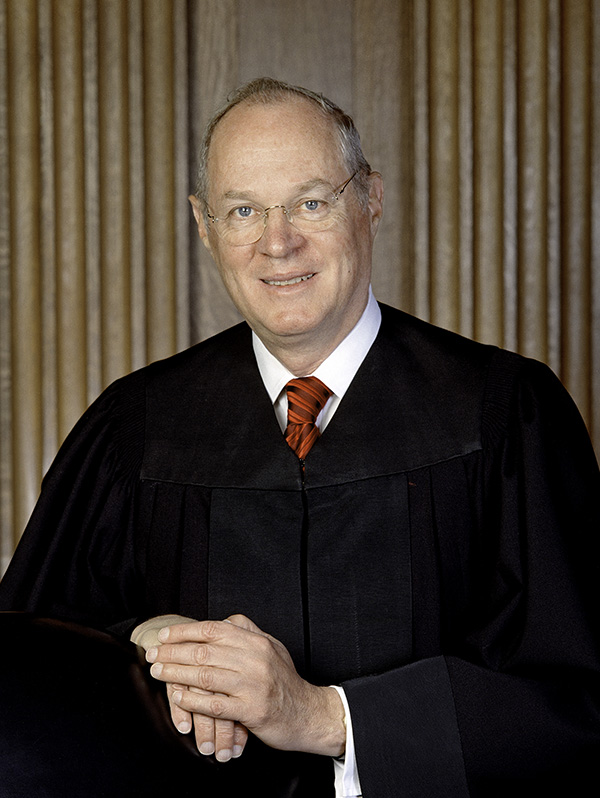
Justice Anthony Kennedy, who served on the U.S. Supreme Court from 1988 to 2018, is often remembered as a pivotal figure in shaping contemporary American law. Appointed by President Ronald Reagan, Kennedy was known for his moderate stance and often found himself as the swing vote on contentious issues, affecting the lives of millions. His opinions on critical cases regarding civil rights, abortion, and the First Amendment have left a significant imprint on American jurisprudence, highlighting the importance of his legacy.
Key Contributions
Throughout his tenure, Justice Kennedy wrote the majority opinion in numerous landmark cases. One of his most notable contributions came in the landmark decision of Obergefell v. Hodges in 2015, which recognized the constitutional right to same-sex marriage. This opinion not only transformed how marriage is recognized but also had profound implications for LGBTQ+ rights in the United States. In his opinion, Kennedy emphasized the dignity and respect every individual deserves, reflecting a shift towards more inclusive interpretations of civil rights.
Another significant case was Planned Parenthood v. Casey, where Kennedy helped uphold the core principles of Roe v. Wade while allowing states to impose certain restrictions. His vote was crucial in preserving a woman’s right to choose, reiterating the delicate balance the Court has had to maintain regarding reproductive rights.
Controversies and Criticism
Despite his influential rulings, Kennedy faced his share of criticism. Some conservatives felt betrayed by his decisions on abortion and same-sex marriage, while left-leaning advocates criticized his opinions in cases like Citizens United v. FEC, which opened the door for unlimited campaign spending by corporations. Critics argued that Kennedy’s views sometimes leaned towards individualism at the expense of broader social considerations.
A Lasting Legacy
After his retirement in 2018, Justice Kennedy’s influence continues to be felt in ongoing legal debates and in the Supreme Court’s evolving composition. The appointment of Justices Brett Kavanaugh and Amy Coney Barrett has shifted the Court rightward, amplifying discussions about Kennedy’s centrist perspectives in a rapidly changing legal landscape.
Conclusion
Justice Anthony Kennedy’s tenure on the Supreme Court stands as a testament to the power of judicial interpretation in shaping societal values. His decisions have not only affected legislation but also ignited conversations around civil rights and personal freedoms. As the nation grapples with issues that Kennedy once adjudicated, his legacy serves as a benchmark for leading discussions on liberty and justice. Moving forward, the significance of his rulings will likely inspire and challenge new generations of legal scholars and advocates.