Introduction
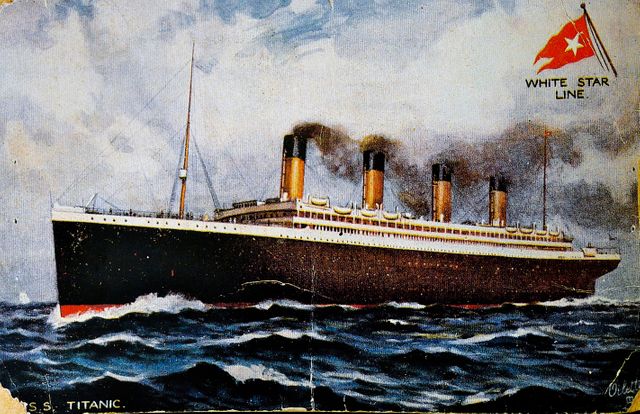
The Titanic disaster remains one of the most significant maritime tragedies in history, profoundly impacting safety regulations in the shipping industry. On April 15, 1912, the Titanic sank on its maiden voyage, leading to the loss of over 1,500 lives. This event, which shocked the world, continues to resonate as a vital case study in human error, technology limitations, and the consequences of hubris.
Overview of the Titanic’s Voyage
The RMS Titanic, deemed ‘unsinkable’ due to its advanced design, set sail from Southampton on April 10, 1912, bound for New York City. It was equipped with state-of-the-art technology, including watertight compartments and electronically operated watertight doors. However, despite these features, on the night of April 14, the ship struck an iceberg at around 11:40 PM. Within hours, the Titanic sank, leading to an outcry over inadequate lifeboats and emergency preparedness.
Response and Aftermath
The immediate aftermath of the Titanic disaster spurred major changes in maritime laws. The International Convention for the Safety of Life at Sea (SOLAS) was established in 1914, mandating that ships must carry enough lifeboats for all passengers. Furthermore, the tragedy highlighted the need for enhanced communication and navigation systems, leading to improvements in radio technology and iceberg monitoring. It also raised awareness about class disparities, as many of the casualties included passengers in the lower decks and third class.
Modern Cultural Impact
The Titanic disaster has captured public imagination for over a century, inspiring countless books, films, and documentaries. James Cameron’s 1997 film ‘Titanic’ significantly revived interest in the event, merging historical narrative with romance. This portrayal underscored themes of loss, sacrifice, and the complexities of human relationships amidst tragedy. Current films and exhibitions continue to educate new generations about the Titanic’s story and legacy.
Conclusion
As we reflect on the Titanic disaster, it serves as a poignant reminder of the importance of safety, regulation, and humanity’s relationship with technology. Understanding the lessons learned from this tragic event not only honors the memory of those lost but also reinforces the critical need for vigilance in safety protocols within maritime and other industries. The Titanic’s legacy urges us to balance ambition with caution—ensuring that history does not repeat itself.