Introduction
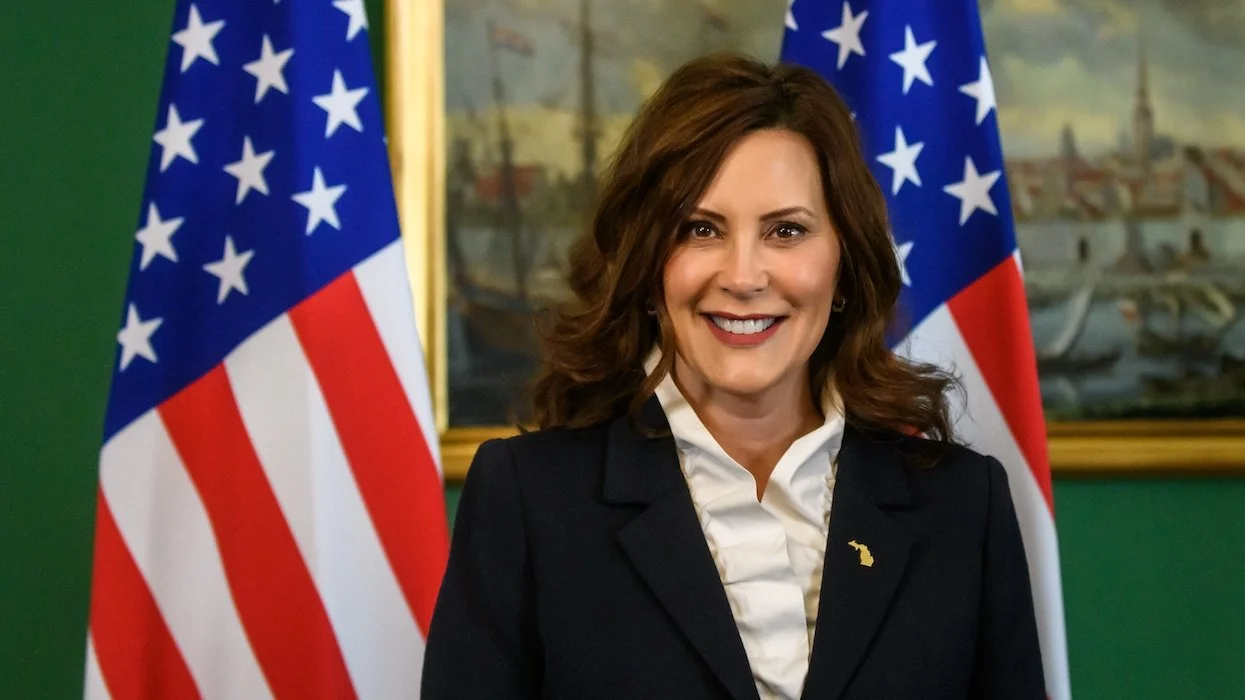
Gretchen Whitmer has emerged as a significant political figure in the United States, serving as the Governor of Michigan since January 2019. Her leadership has drawn national attention, especially in light of her responses to various crises, including the COVID-19 pandemic and economic recovery efforts. Understanding her policies and initiatives is vital for assessing Michigan’s future direction and the broader context of U.S. politics.
Background and Political Career
Born on August 23, 1971, in Lansing, Michigan, Gretchen Whitmer graduated from Michigan State University and went on to earn a law degree from Detroit College of Law. Before becoming governor, she served as a state representative and later as a state senator, where she focused on health care and education issues. Whitmer’s rise to the governorship was marked by her strong emphasis on infrastructure and her commitment to addressing challenges such as climate change and education reform.
Response to the COVID-19 Pandemic
Whitmer’s leadership was put to the test during the COVID-19 pandemic. Early in the pandemic, she implemented strict measures to control the virus’s spread, including stay-at-home orders and mask mandates. While her approach received support from public health experts, it also faced significant pushback from some residents and political opponents. Nonetheless, her administration quickly mobilized to secure vaccines and provide support for businesses and families affected by the pandemic, emphasizing a strategy of recovery and resilience.
Economic Initiatives and Infrastructure Development
In addition to managing public health, Whitmer has focused on economic recovery and infrastructure improvement. Her administration launched the “MI Prosperity” plan, aimed at boosting job creation, transportation, and sustainable energy projects. In 2021, she signed a bipartisan infrastructure deal that earmarked millions for road repairs and broadband expansion, aiming to enhance connectivity in rural areas. These initiatives have positioned Michigan as a competitive state for attracting businesses and fostering community growth.
Challenges and Controversies
Despite her accomplishments, Whitmer has faced challenges, including rising inflation and ongoing debates about educational policies. Critics have questioned her decisions regarding public school funding and COVID-19 restrictions, while advocates argue that her focus on public health and education is imperative for the state’s long-term well-being.
Conclusion
As Gretchen Whitmer continues her tenure as governor, her leadership will undoubtedly shape Michigan’s trajectory in the coming years. Observers will be watching her strategies for economic recovery, public health, and infrastructure investment closely, as they hold significant implications for both state residents and national politics. Whitmer’s approach may serve as a possible blueprint for other state leaders navigating similar challenges, making her tenure a critical case study in effective governance.