Introduction
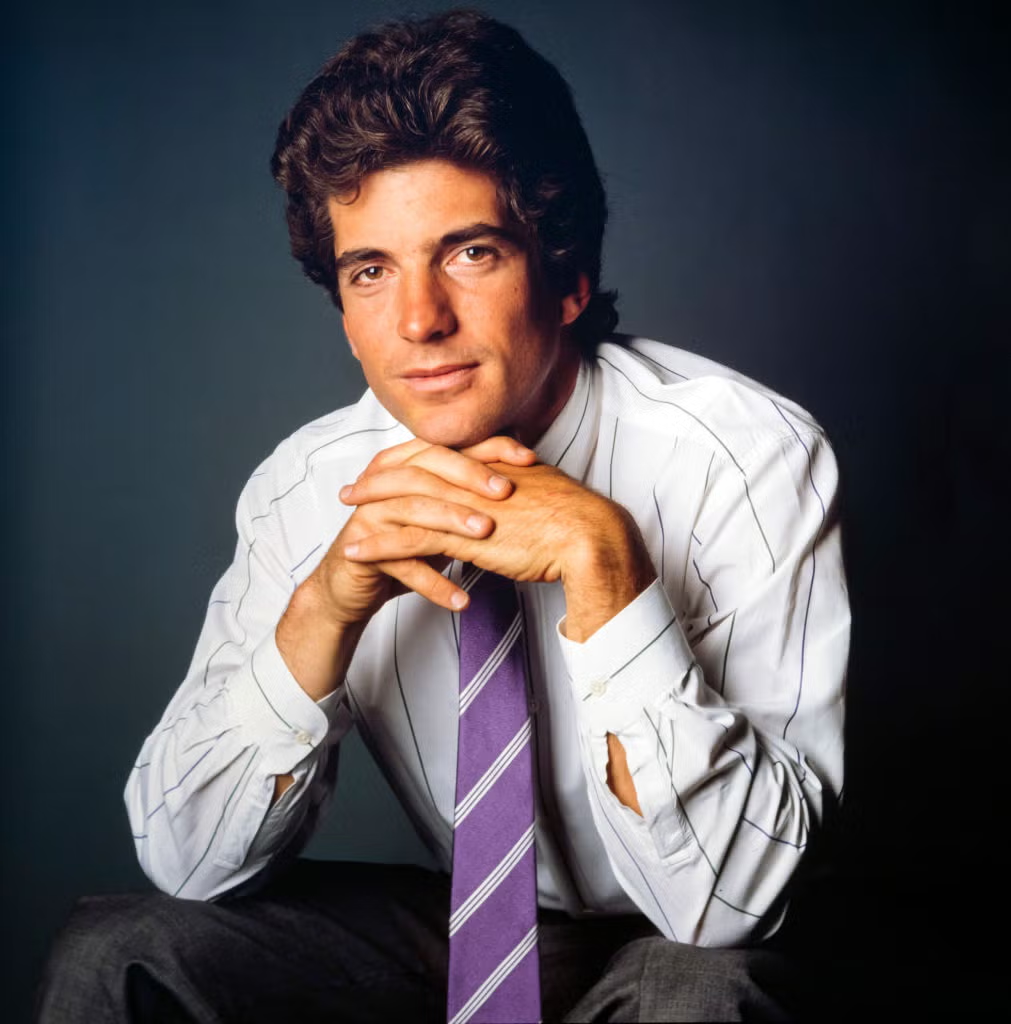
John F. Kennedy Jr., the son of President John F. Kennedy, remains a figure of intrigue and speculation in American culture. His untimely death in 1999 has fueled numerous conspiracy theories, despite official accounts. This article delves into the significance of JFK Jr.’s life, his legacy, and the myths surrounding him, especially in today’s context where public figures are often subjects of speculation.
Life and Impact of JFK Jr.
Born on November 25, 1960, JFK Jr. grew up in the shadow of his father, embracing both the responsibilities and challenges that came with his lineage. He attended Brown University and then the New York University School of Law. In 1995, he founded the political magazine ‘George,’ which reflected his views and interests in American politics.
John’s tragic death in a plane crash on July 16, 1999, alongside wife Carolyn Bessette Kennedy and her sister Lauren, shocked the nation. The Kennedy family, already mourning the loss of John F. Kennedy’s assassination, faced another devastating blow. The public outpouring of grief demonstrated the significant impact JFK Jr. had on the American psyche as a relatable member of the Kennedy family.
The Conspiracy Theories
Despite the official ruling of accidental death due to poor visibility and pilot error, numerous conspiracy theories have emerged over the years. Some followers of conspiracy narratives assert that JFK Jr. faked his death and will make a political comeback, often citing his loyal fanbase and public presence in conservative circles. These theories have gained traction, particularly with certain extremist groups, showcasing the power of myth in political discourse.
Current Relevance
As the United States approaches the 2024 elections, JFK Jr. is often mentioned in discussions related to political lineage and the continuing influence of the Kennedy family. His legacy is also examined against the backdrop of current political events, as aspiring candidates seek to evoke the nostalgia associated with his family’s name.
Conclusion
JFK Jr.’s life, although cut short, continues to resonate deeply with many Americans. The combination of his family’s legacy and the mystique surrounding his life and death has created a tapestry of intrigue and speculation that refuses to fade. As politics become more polarized, the re-examination of figures like JFK Jr. highlights how legacy and personal narrative can inspire or evoke profound public emotion. Looking ahead, it is clear that JFK Jr. will continue to be a subject of interest, analysis, and debate for generations to come.