Introduction
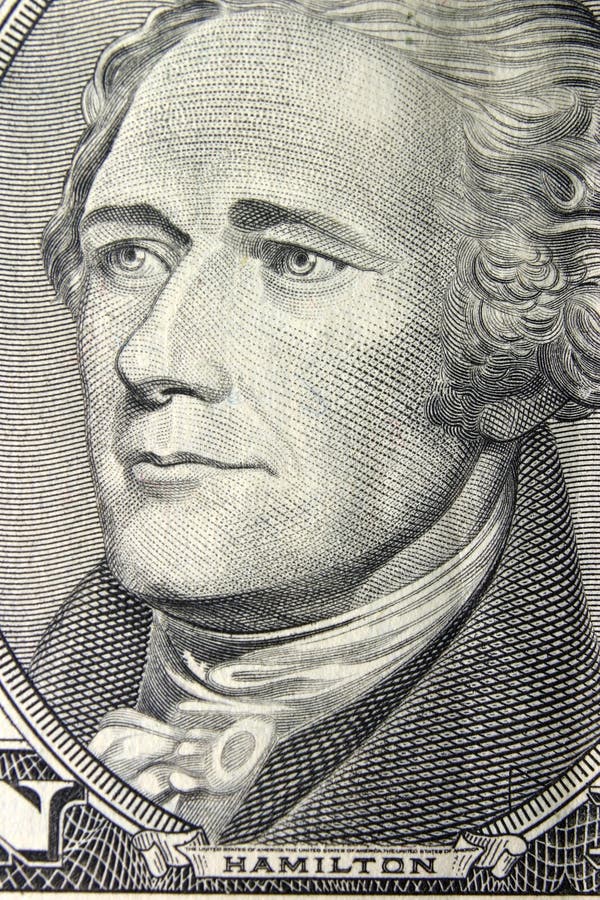
Alexander Hamilton, one of the United States’ founding fathers, continues to be a seminal figure in American history. Born in the Caribbean in 1755, Hamilton rose to prominence as a statesman, financial expert, and the first Secretary of the Treasury. His contributions laid the groundwork for the American financial system, making his influence ever-relevant today.
Early Life and Career
Orphaned at a young age, Hamilton’s intelligence and ambition led him to New York City, where he quickly became involved in revolutionary politics. His writings during the American Revolution showcased his support for independence and his extraordinary talent for persuasion. He made a significant mark during the conflict, serving as an aide-de-camp to General George Washington.
Role in American Government
As the first Secretary of the Treasury from 1789 to 1795, Hamilton was instrumental in establishing the nation’s financial foundation. He created a comprehensive financial system that included the federal assumption of state debts, the establishment of a national bank, and the promotion of industrial development. His economic policies fundamentally shaped the fiscal landscape of the United States, emphasizing the importance of a strong centralized economy.
Controversies and Federalist Papers
Hamilton was also a key author of the Federalist Papers—a collection of 85 essays arguing for the ratification of the U.S. Constitution. These papers were pivotal in shaping the political philosophy of the young nation. However, Hamilton’s views often put him at odds with prominent figures like Thomas Jefferson, leading to the formation of the first political parties that defined early American politics.
Legacy and Cultural Impact
Hamilton’s influence has transcended his lifetime, becoming a symbol of strong leadership and fiscal responsibility. His life was further immortalized in modern culture through the smash-hit musical ‘Hamilton,’ which reintroduced his story to a new generation. Today, debates continue around his economic legacy and the relevance of his ideas in contemporary politics.
Conclusion
In conclusion, Alexander Hamilton’s impact on the United States cannot be understated. His visionary ideas on government and finance laid the foundations for modern America. As discussions about economic policy and government continue to evolve, Hamilton’s insights remain pertinent, making him not only a historical figure but also a continuing influence in American political discourse.