Introduction
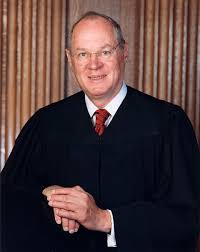
The Supreme Court of the United States plays a crucial role in shaping the legal landscape and protecting civil rights in America. Among the notable justices who have served on this bench is Anthony Kennedy, whose tenure lasted from 1988 until his retirement in 2018. His unique position as a moderate conservative often placed him at the center of pivotal rulings, influencing the course of American law for decades. This article reflects on Kennedy’s contributions and the relevance of his judicial philosophy in today’s legal climate.
Career Overview
Appointed by President Ronald Reagan, Anthony Kennedy became a crucial figure in the Supreme Court, often swaying decisions in cases related to abortion, same-sex marriage, and freedom of speech. Before joining the Supreme Court, Kennedy served on the U.S. Court of Appeals for the Ninth Circuit and held various positions in both government and academia.
Key Decisions
One of Kennedy’s landmark decisions came in 2015 with Obergefell v. Hodges, which legalized same-sex marriage nationwide. His majority opinion affirmed that the right to marry is a fundamental right guaranteed by the Constitution. Kennedy’s stance reflected his belief in personal liberty, marking a significant shift in the legal recognition of LGBTQ+ rights.
In addition to same-sex marriage, Kennedy played a pivotal role in cases like Planned Parenthood v. Casey, where he upheld the constitutional right to access abortion services, albeit with certain restrictions. His opinions on the First Amendment also highlighted the need for robust protections for free speech, particularly in Citizens United v. FEC, where he underscored the importance of political speech in a free society.
Impact and Controversies
Kennedy’s centrist approach often led to controversy, as he earned both praise and criticism from various political factions. His decisions frequently placed him at odds with more conservative justices and sometimes incited backlash from liberal advocates. However, many lauded his ability to navigate complex social issues while maintaining a thoughtful consideration of constitutional principles.
Conclusion
Anthony Kennedy’s departure from the Supreme Court has left a palpable void, especially as the Court grapples with issues related to individual rights and liberties in an increasingly polarized environment. His judicial philosophy, advocating for a balanced interpretation of the Constitution, remains significant. As new justices take the bench, examining Kennedy’s legacy may provide insights into the ongoing evolution of the Supreme Court’s role in American society. Observers will be keen to see if the Court continues to uphold the precedents established during Kennedy’s tenure or shifts towards a more rigid ideological stance.