Introduction
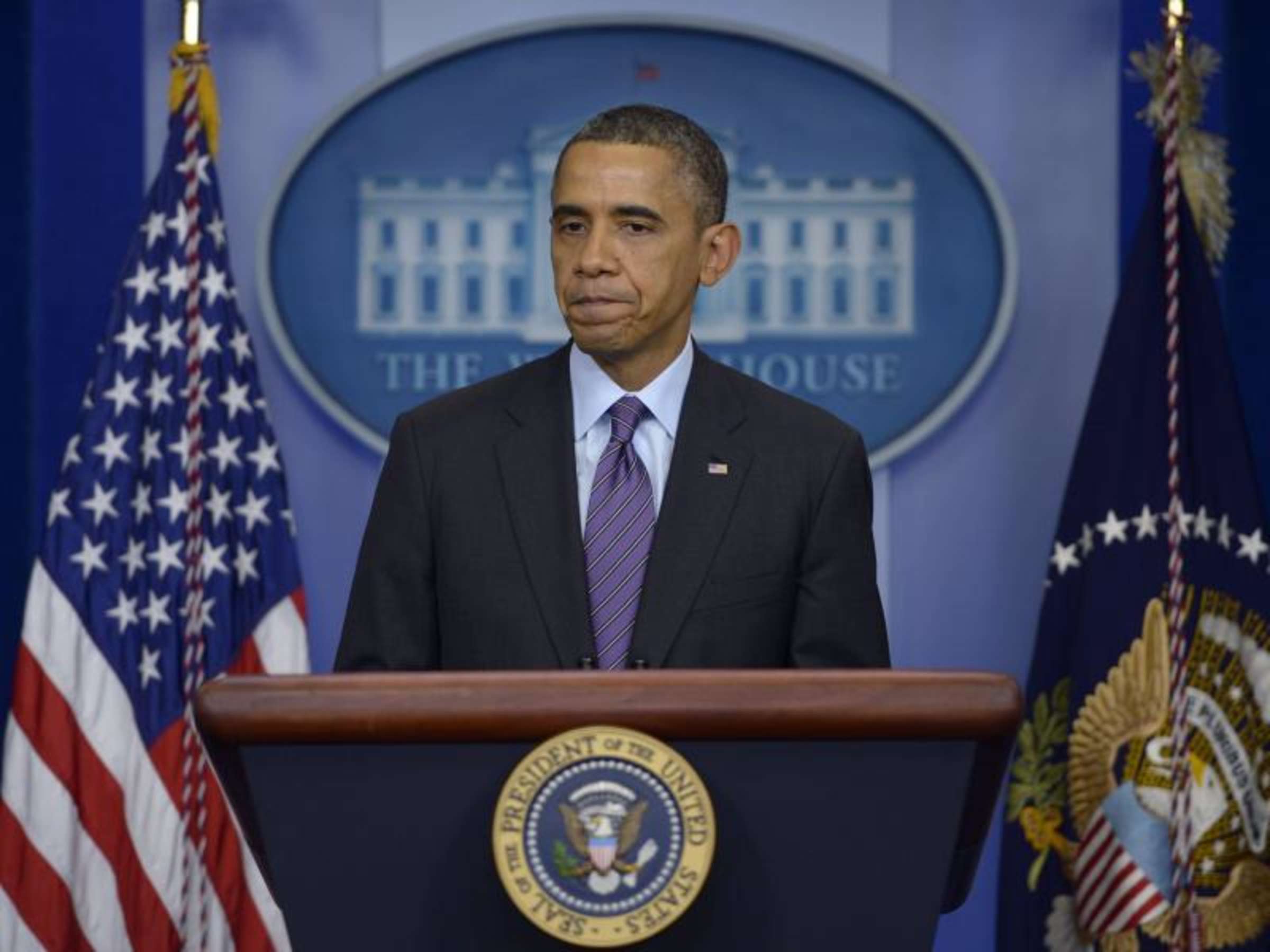
Barack Obama, the 44th President of the United States, made history as the first African American to hold the office. His presidency, from 2009 to 2017, was marked by significant political and social changes. Understanding Obama’s legacy is crucial in evaluating contemporary American politics and the ongoing impact of his policies on society today.
Policies and Achievements
During his tenure, Obama faced various challenges, including the Great Recession and increasing partisan division. One of his hallmark achievements was the Affordable Care Act (ACA), commonly known as Obamacare, which expanded healthcare access to millions of uninsured Americans. The ACA reflected his commitment to social equity, aiming to provide affordable healthcare for all, and remains a point of debate in political discussions.
In addition to healthcare reform, Obama’s presidency focused on economic recovery. The American Recovery and Reinvestment Act of 2009 aimed to stimulate the economy through job creation and investment in infrastructure. Reports estimate that this act contributed significantly to job growth during his administration.
Foreign policy was another critical aspect of Obama’s presidency. He sought to end the wars in Iraq and Afghanistan while promoting diplomacy. Notably, he was awarded the Nobel Peace Prize in 2009. His administration’s foreign policy efforts included the Iran nuclear deal and the re-establishment of diplomatic relations with Cuba, showcasing a shift towards negotiation over confrontation.
Challenges and Controversies
Obama’s presidency was not without challenges. His administration faced criticism for its handling of immigration reform, race relations, and responses to mass shootings. The rise of the Tea Party and growing conservative movements during his presidency created a politically charged environment that influenced subsequent elections. Furthermore, the implementation of the ACA sparked fierce opposition, leading to continued efforts to repeal and replace the healthcare law.
Conclusions and Significance
Barack Obama’s presidency was a transformative period that brought significant change and highlighted the complexities of American governance. His policies continue to influence contemporary political discussions, especially related to healthcare and social justice. As America navigates current divisive issues, understanding the legacy of Obama’s administration is more relevant than ever. His influence persists as new leaders emerge, providing a framework for future policies and dialogues on equity and resilience in American society.