Introduction
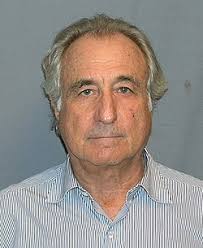
The name Bernie Madoff is synonymous with one of the largest financial frauds in history. Madoff’s Ponzi scheme not only defrauded thousands of investors but also led to significant changes in regulatory practices within the financial industry. His case serves as a cautionary tale about the risks associated with unchecked financial investments and the importance of oversight in maintaining market integrity.
The Madoff Ponzi Scheme
Bernie Madoff, a former chairman of NASDAQ, was arrested in December 2008 after confessing to a $65 billion Ponzi scheme that had been operating for decades. Madoff promised consistent, high returns to his investors, which drew in a large clientele, including celebrities, charities, and institutional investors. However, the returns were not generated through legitimate investments but were instead paid using the capital from new investors, a classic hallmark of a Ponzi scheme. The collapse came during the global financial crisis when many investors wanted to withdraw their funds, exposing the scheme’s unsustainability.
Impact on Investors and Institutions
The fallout from Madoff’s actions was devastating. Thousands of investors lost their life savings, with many charities going bankrupt. Investigations revealed that major financial institutions like HSBC and JPMorgan Chase had also been involved to varying degrees, raising ethical questions about their roles. The scandal prompted a wave of lawsuits and settlements, as victims sought compensation. In total, over $17 billion has been recovered to date, but many investors remain significantly short on their original investments.
Regulatory Changes and Lessons Learned
In the wake of the Madoff scandal, regulatory bodies, most notably the Securities and Exchange Commission (SEC), faced heavy scrutiny for their failure to detect the fraud despite numerous warnings. In response, the SEC implemented stricter regulations and enhanced their examination processes for investment advisers. The incident also sparked discussions on the need for better whistleblower protections and greater transparency in the financial sector.
Conclusion
The legacy of Bernie Madoff is a painful reminder of the vulnerabilities within the financial system. His case highlighted the critical necessity for rigorous oversight and accountability among financial firms and their practices. To this day, Madoff’s Ponzi scheme serves as a significant case study in ethics and regulation—an example urging both investors and regulators to remain vigilant against fraudulent schemes in the future. As financial markets evolve, the lessons learned from Madoff’s deception remain exceptionally relevant, motivating ongoing discussions about protecting investor interests and safeguarding against systemic risks.