Introduction
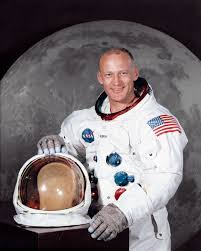
Buzz Aldrin, famed astronaut and the second person to walk on the moon, continues to be a significant figure in the realm of space exploration. His accomplishments during the Apollo 11 mission in 1969 altered the course of human space travel and inspired countless individuals to pursue careers in science, technology, engineering, and mathematics (STEM). Aldrin’s ongoing advocacy for space exploration and innovation further cements his status as a pioneer and visionary in the field.
Historic Achievements
On July 20, 1969, Aldrin, alongside Neil Armstrong, became a part of history when they landed on the Moon in the lunar module, the Eagle. Aldrin followed Armstrong out of the module, making him the second human to set foot on the Moon. The Apollo 11 mission proved to be a monumental success, providing critical insights into the moon’s surface and advancing human understanding of space. Aldrin’s efforts, both during and after the mission, have remained influential, laying the groundwork for subsequent lunar missions and interplanetary exploration.
Advocacy for Space Exploration
Throughout his post-Apollo career, Aldrin has been a strong advocate for continued space exploration. Recently, he has spoken out about the importance of returning to the Moon and establishing a sustainable presence there, with the goal of making Mars the ultimate destination for humanity. In 2020, he launched the Buzz Aldrin Space Education Foundation, aiming to inspire and educate the next generation about the possibilities of space travel.
Aldrin has also emphasized the need for international collaboration in space exploration, suggesting that joint missions between nations can foster peace and shared knowledge in a rapidly changing world.
Current Events and Future Outlook
As of late 2023, Aldrin continues to make appearances at various space-related events, encouraging both young science enthusiasts and seasoned professionals to engage in the conversation surrounding space exploration. With NASA’s Artemis program set to return humans to the Moon by 2025, Aldrin’s insights and experience are invaluable as the nation prepares for this significant milestone. Furthermore, as private companies increasingly take on bold space missions, his advocacy for sustainable exploration becomes even more pertinent.
Aldrin’s legacy as a pioneer of space travel is not confined to his historical walk on the Moon; rather, it is enhanced by his continued relevance in current discussions and initiatives surrounding space exploration.
Conclusion
Buzz Aldrin’s contributions to space exploration are immense and enduring. As technology progresses and new frontiers are explored, his insights inspire a collective vision for the future of humanity beyond Earth. With missions like Artemis aimed at lunar bases and Mars expeditions in sight, Aldrin’s belief in the potential of human ingenuity and collaboration serves as a guiding light for future astronauts and explorers. The world eagerly awaits what the next chapters of space exploration will bring, as Aldrin’s legacy motivates and influences the ongoing quest for knowledge beyond our planet.