Introduction
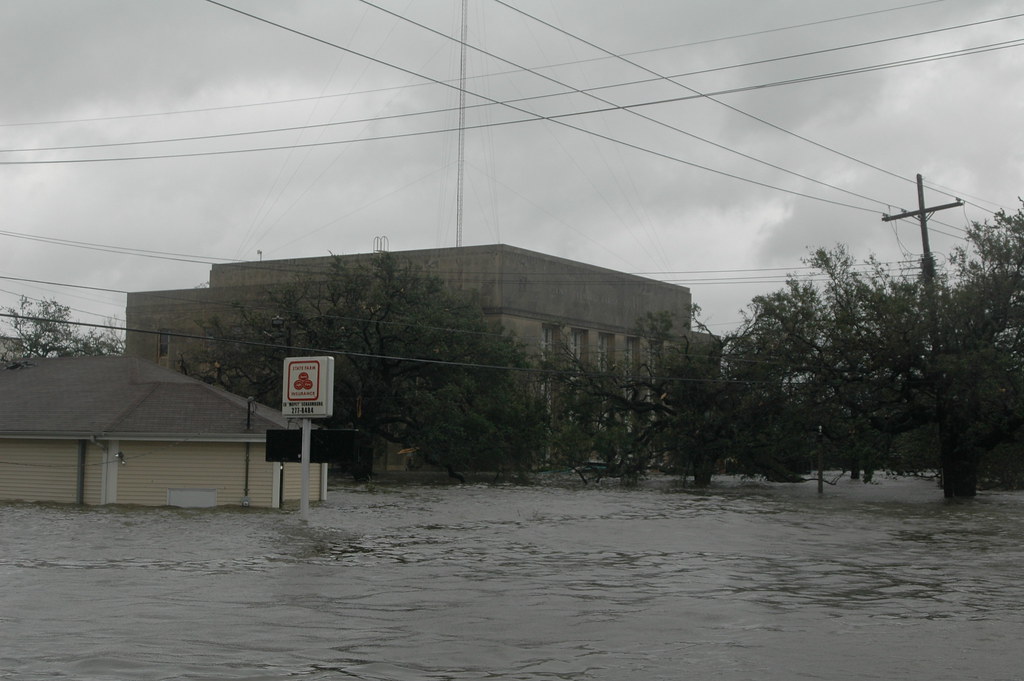
On August 29, 2005, Hurricane Katrina struck the Gulf Coast of the United States, leaving devastation in its wake. Unfortunately, the storm exposed critical vulnerabilities in disaster response and preparedness, and its aftermath has significantly shaped discussions around climate resilience and community recovery. Nearly two decades later, the repercussions of this disaster continue to be felt, raising important questions about infrastructure, policy, and community support in the face of natural disasters.
Impact of Hurricane Katrina
Hurricane Katrina is often remembered for its catastrophic impact on New Orleans and surrounding areas. With winds exceeding 175 miles per hour, the hurricane breached levees, flooding approximately 80% of New Orleans. Over 1,800 people lost their lives, and countless families were displaced, leading to one of the largest humanitarian crises in U.S. history.
As a result of the storm, the U.S. faced significant scrutiny over its federal disaster response, particularly the government’s management of relief efforts through the Federal Emergency Management Agency (FEMA). The criticism highlighted failures in planning and response, which led to widespread public outcry and demands for reform.
Long-Term Recovery Efforts
In the years following Hurricane Katrina, recovery efforts have focused on rebuilding not just homes, but also the social fabric and infrastructure of affected communities. Organizations such as the Louisiana Recovery Authority and numerous non-profits have worked tirelessly to restore public services, housing, and the economy.
However, the path to recovery has not been straightforward. Issues such as insurance fraud, slow rebuilding processes, and persistent poverty have complicated recovery efforts. New Orleans, particularly, has seen a demographic shift, with many original residents unable to return. A recent study found that less than 50% of the pre-Katrina population has returned to the city.
Lessons Learned and Future Preparations
The legacy of Hurricane Katrina has prompted significant changes in disaster planning and management on both local and national levels. The event sharpened the focus on climate change as a factor in extreme weather and prompted cities across the United States to invest in climate resilience strategies. Infrastructure improvements, emergency preparedness drills, and community education programs have become essential components of local governance.
Conclusion
Hurricane Katrina stands as a harrowing reminder of the destructive power of nature and the importance of community resilience and proactive policies. As climate change continues to exacerbate the frequency and intensity of hurricanes, it remains crucial for governments and communities to learn from the past. The ongoing discussion surrounding Katrina’s legacy not only honors the lives disrupted by the disaster but also serves as a call to action for better preparedness for future generations.