Introduction
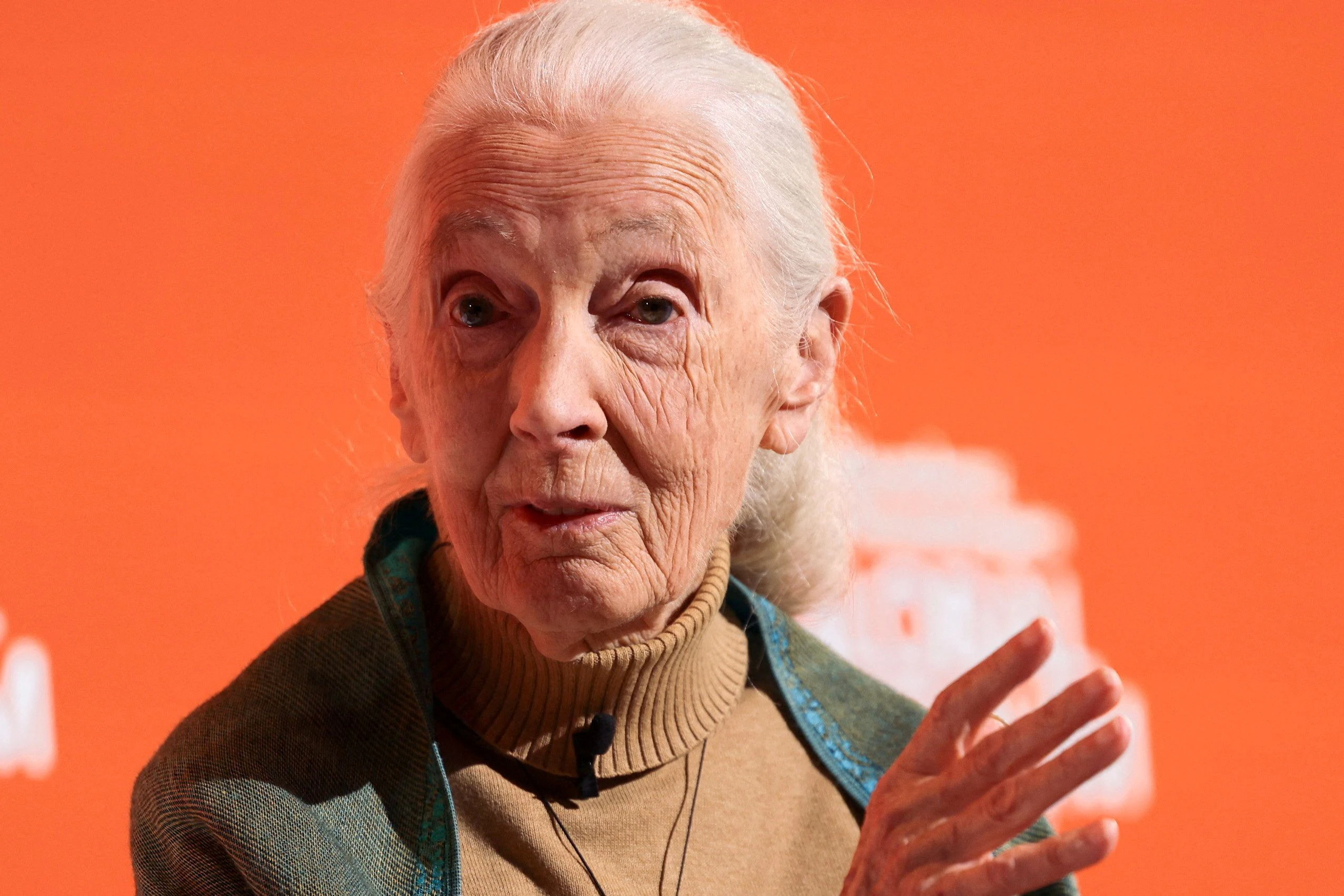
Jane Goodall’s work has revolutionized the understanding of primates and highlighted the importance of conservation efforts across the globe. As a leading figure in environmental and animal welfare, Goodall’s research and advocacy continue to resonate deeply in today’s dialogue about biodiversity and ecological preservation. Her pioneering approach not only changed the scientific community’s perception of animals but also inspired global activism aimed at protecting the planet.
Groundbreaking Research
Born on April 3, 1934, in London, England, Jane Goodall’s fascination with animals began at a young age. In 1960, she traveled to Tanzania to study wild chimpanzees in Gombe Stream National Park and promptly made groundbreaking discoveries. She observed tool use among chimps, previously believed to be a uniquely human trait, and documented their complex social behaviors, emotions, and communication skills.
Goodall’s fieldwork lasted for over six decades and led to pivotal findings that reshaped wildlife research and conservation. Her observations painted a picture of chimps as not merely subjects of study but as sentient beings with rich emotional lives.
Conservation Efforts
Today, Jane Goodall is not only recognized for her academic contributions but also as a prominent advocate for conservation. She established the Jane Goodall Institute in 1977, which supports wildlife research and community-centered conservation initiatives. The organization focuses on habitat preservation, sustainable development, and the welfare of chimpanzees and other endangered species.
Goodall has traveled extensively, raising awareness about environmental issues and emphasizing the interconnectedness of all living beings. Her message, “What you do makes a difference, and you have to decide what kind of difference you want to make,” has inspired countless individuals to engage in activism and conservation efforts.
Relevant Developments
In recent years, Goodall has been an outspoken advocate regarding climate change and its impact on wildlife. As populations of many species decline in the face of habitat loss, pollution, and hunting, her work highlights the urgent need for collective action. In 2023, she called for global leaders to prioritize ecological policies that align with sustainability and biodiversity conservation, reinforcing her ongoing commitment to the planet.
Conclusion
Jane Goodall’s work has had a lasting impact, educating the public and inspiring future generations of scientists and conservationists. Her life serves as a reminder of the importance of empathy towards all living beings and the need to take action to protect our environment. As we continue to face environmental crises, Goodall’s message remains vital; individual and collective efforts can lead to meaningful change in conservation practices worldwide.