Introduction
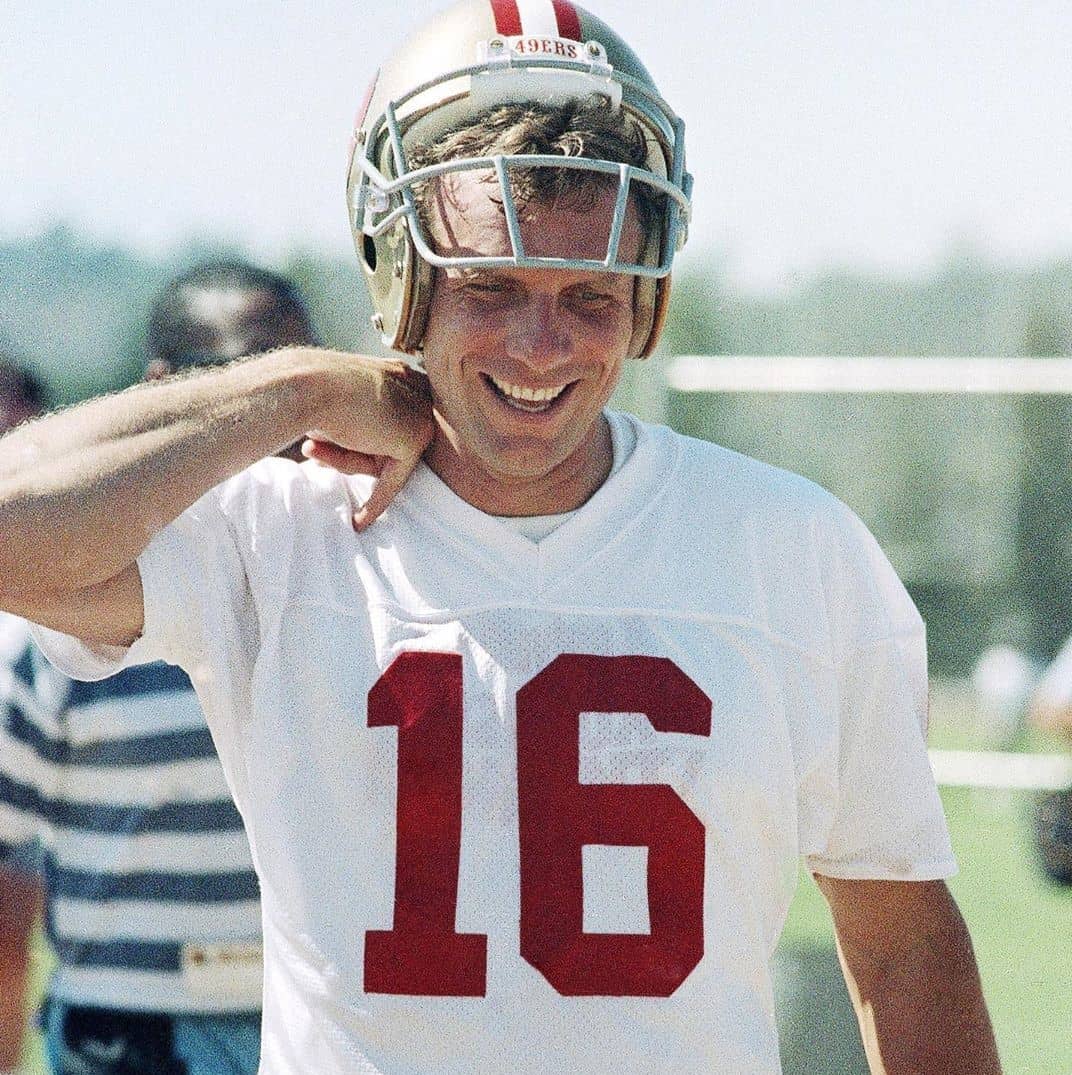
Joe Montana, widely regarded as one of the greatest quarterbacks in NFL history, remains a significant figure in the world of American football. His career spanned from 1979 to 1994, during which he led the San Francisco 49ers to four Super Bowl victories. His exceptional skills, calm demeanor under pressure, and ability to perform in high-stakes games have solidified his legacy as a sports icon. As the NFL season continues, Montana’s influence remains a topic of discussion among fans and analysts alike, emphasizing the importance of understanding the impact of legendary athletes on the game.
Career Highlights
Montana was drafted in the third round of the 1979 NFL Draft by the San Francisco 49ers and quickly established himself as a starting quarterback. Over his 16-season career, he accumulated numerous accolades, including:
- Four-time Super Bowl Champion (XVI, XIX, XXIII, XXIV)
- Three-time Super Bowl MVP
- Two-time NFL MVP (1989, 1990)
- Eight Pro Bowl selections
His performance in the Super Bowl is particularly noteworthy; he remains the only quarterback to win a Super Bowl without throwing an interception. One of his most memorable moments came in Super Bowl XXIII, where he led a 92-yard game-winning drive, culminating in a touchdown pass to John Taylor with just 34 seconds left on the clock.
Post-Playing Career and Influence
After retiring in 1995, Montana transitioned to various business ventures and television roles, continuing to engage with fans and the sport. His presence can be felt not just among 49ers fans but throughout the NFL community. He has been a vocal advocate for football’s youth development programs, emphasizing the importance of mentorship in sports.
In recent years, as the NFL has evolved with new rules and player dynamics, Montana’s style of play has been analyzed and appreciated for its fundamentals, precision, and ability to read defenses. Current quarterbacks often refer to him in discussions of the greatest of all time, and many aspiring quarterbacks study his techniques to enhance their own game.
Conclusion
Joe Montana’s legacy transcends statistics and accolades; it represents the essence of football excellence. As the NFL gears up for another season, Montana’s influence will continue to resonate among players and fans alike. His story serves as inspiration and a benchmark for future generations of athletes. Whether through his Hall of Fame induction, memorable Super Bowl moments, or his contributions to the sport post-retirement, Montana’s impact is enduring. As we celebrate his achievements, it’s essential to recognize his role in shaping the game of football into what it is today.